Morocco beckons travelers with its diverse landscapes, rich culture, and warm hospitality, but when you visit can make all the difference. Are you ready to uncover the secrets of this captivating destination? With its dreamy cities, seaside escapes, high mountain passes, and haunting desert dunes, Morocco offers an unforgettable experience year-round. We know that deciding Best Time To Travel To Morocco depends on your itinerary and preferences. That’s why we’ll guide you through Morocco’s diverse seasonal patterns, helping you navigate the country’s varied climate zones and create a perfectly timed travel plan.
Understanding Morocco’s Diverse Climate
Morocco’s climate is as diverse as its landscapes, ranging from the cool Atlas Mountains to the scorching Sahara Desert. This diversity is shaped by its unique geography, featuring mountains, deserts, and coastal areas. To plan a successful trip, it’s essential to understand the different climates across various regions.
Overview of Morocco’s Geographical Regions
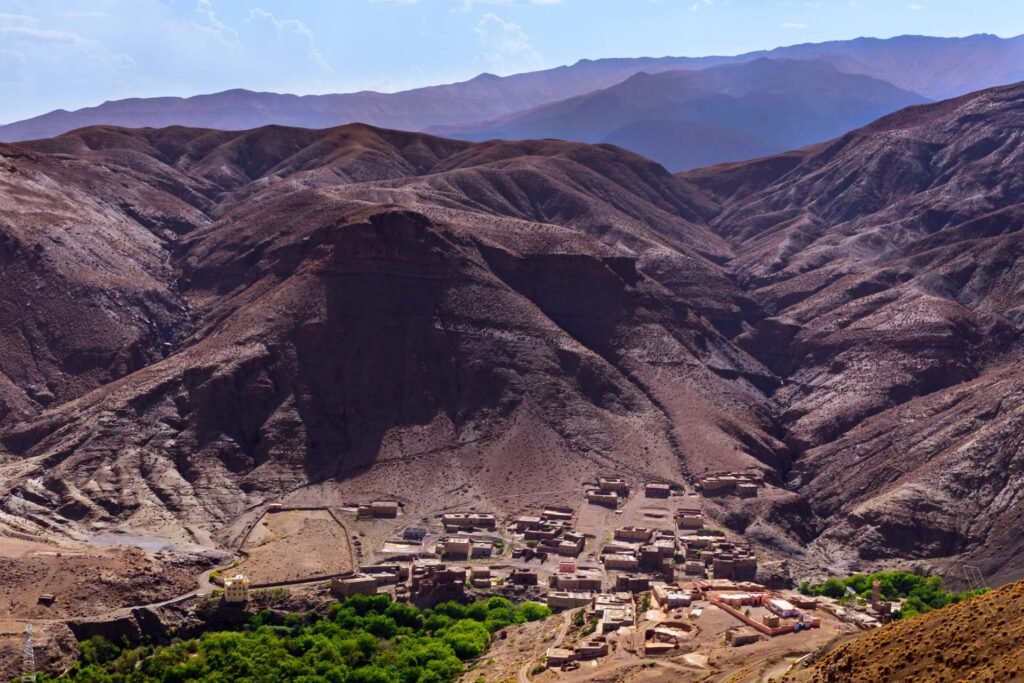
Morocco’s geography is characterized by four main regions: the Atlas Mountains, the Sahara Desert, the coastal areas, and the plains. Each region has its distinct climate. For instance, the Atlas Mountains experience a temperate climate with cold winters and mild summers, while the Sahara Desert is known for its extreme heat during the day and cold temperatures at night.
Coastal areas tend to have a milder climate, influenced by the Mediterranean Sea and the Atlantic Ocean. Understanding these geographical regions helps travelers prepare for the varying temperatures and climate conditions.
The Four Distinct Seasons in Morocco
Morocco experiences four distinct seasons, each offering unique advantages and challenges. Spring (March-May) brings mild temperatures and blooming landscapes, making it an ideal time to visit. Summer (June-August) is characterized by soaring heat inland, while coastal areas remain more temperate. Fall (September-November) offers comfortable temperatures and fewer crowds, particularly in October and early November.
Winter (December-February) brings cooler temperatures and potential rainfall, especially in the northern regions. The transitional months of April, May, October, and early November are generally the best times to visit Morocco. For more detailed information on the best time to visit Morocco, you can check our guide on the best time to visit Morocco.
Best Time to Travel to Morocco: Season by Season
Morocco’s diverse climate means that the best time to visit depends on the activities you have planned and the experiences you’re looking for. As we explore the seasonal variations, you’ll discover the unique charm of each time of year.
Spring (March-May):
Spring is a beautiful time in Morocco, with mild temperatures and blooming landscapes. It’s an ideal period for exploring the desert and enjoying the vibrant culture of the cities. We recommend visiting the Atlas Mountains during this season for comfortable hiking conditions.
Summer (June-August):
Summer brings high temperatures to most of Morocco, but the coastal cities offer a cooler retreat. It’s a great time to enjoy the beaches and water activities. However, it’s worth noting that the nights can still be quite warm.
Fall (September-November):
Autumn in Morocco is characterized by pleasant days and comfortable nights, making it an excellent time for cultural exploration and outdoor activities. The crowds have dissipated, and the weather is generally mild, making it a perfect time to visit the city of Marrakesh.
Winter (December-February):
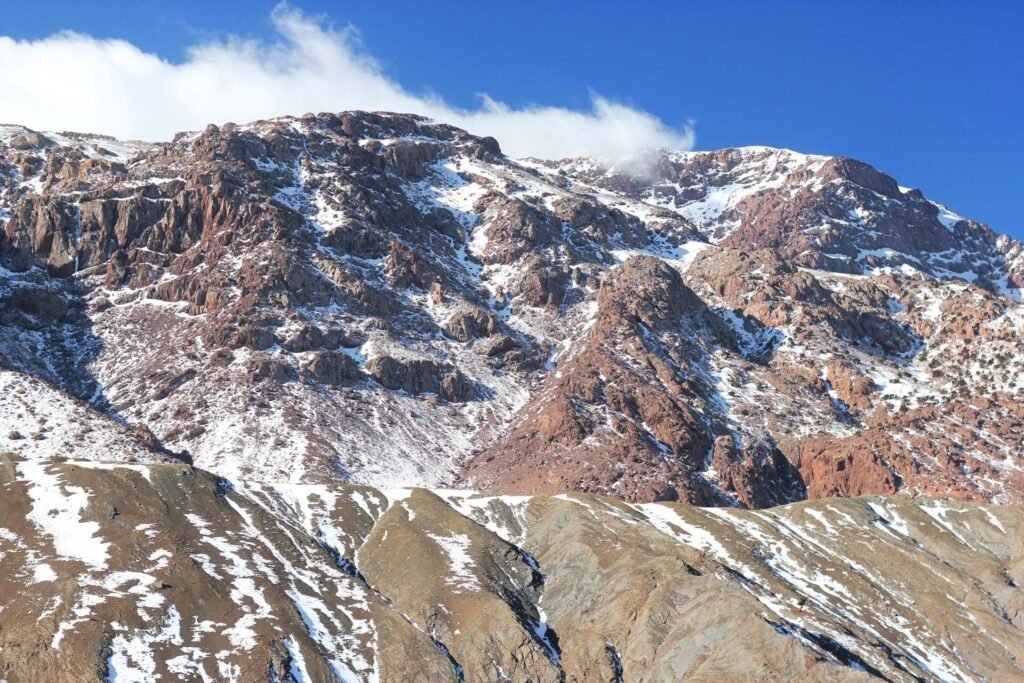
Winter in Morocco offers a unique contrast between the snowy Atlas Mountains and the mild Mediterranean coastal cities. It’s an excellent time for urban exploration and experiencing authentic Moroccan life with fewer tourists. The desert regions can be quite cold at night, so it’s essential to pack warm clothing.
Month-by-Month Guide to Morocco
To make the most of your Moroccan adventure, let’s break down the country’s climate month by month. This detailed guide will help you plan your trip according to your preferences and the activities you have planned.
January-February: Winter Adventures
January and February are ideal for those who enjoy winter adventures in Morocco. While it’s the coolest time of the year, the Atlas Mountains offer excellent skiing conditions. In contrast, the desert regions remain relatively mild during the day, making it a great time for desert exploration. You can enjoy camel treks and stargazing in the Sahara without the intense heat of the summer months.
March-April: Spring Blooms and Festivals
As spring arrives, Morocco transforms into a vibrant landscape. March and April are characterized by mild temperatures and blooming flora, making it an ideal time for outdoor activities like hiking and exploring the countryside. Additionally, these months host various cultural festivals, offering a glimpse into Morocco’s rich heritage.
May-June: Pre-Summer Sweet Spot
The months of May and June represent a sweet spot before the peak summer heat. The weather is warm but not sweltering, making it perfect for visiting the imperial cities, exploring the coast, or enjoying water sports. It’s also an excellent time for adventure activities like surfing and paragliding along the coast.
July-August: Coastal Escapes and Music Festivals
July and August are the hottest months in Morocco, but the coastal towns offer a cooler respite. Cities like Essaouira become popular coastal escapes, with their refreshing breezes and vibrant cultural scenes. This period also sees the peak of music festivals, including the famous Essaouira Gnawa Music Festival, which attracts visitors from around the world.
September-October: Ideal Exploration Weather
As summer fades, September and October bring ideal exploration weather to Morocco. The temperatures are pleasant, and the crowds have thinned, making it an excellent time to visit popular attractions without the peak season chaos. It’s an ideal period for cultural exploration, trekking, and enjoying the scenic beauty of the country.
November-December: Desert Journeys and Holiday Celebrations
November and December mark the beginning of the cooler season, making it an excellent time for desert journeys. The Sahara Desert becomes more accessible, with comfortable days ideal for camel treks and camping under the stars. Additionally, December brings holiday celebrations to Morocco’s cities, blending local traditions with international festivities, creating a unique and memorable trip experience.
By understanding the monthly climate variations, you can plan a trip that suits your preferences, whether you’re looking for adventure, cultural immersion, or simply a relaxing getaway. Morocco’s diverse landscapes and climates ensure that there’s something for everyone, every month of the year.
Regional Weather Guide: Where to Go When
Morocco’s diverse geography means that the ideal time to visit varies significantly across different regions. Understanding these regional weather patterns is crucial for planning a memorable and comfortable trip.
Marrakesh and Central Morocco
Marrakesh, the vibrant heart of Morocco, experiences hot summers and mild winters. The best time to visit is during spring (March-May) or autumn (September-November) when temperatures are pleasant.
Coastal Cities: Essaouira, Casablanca, and Tangier
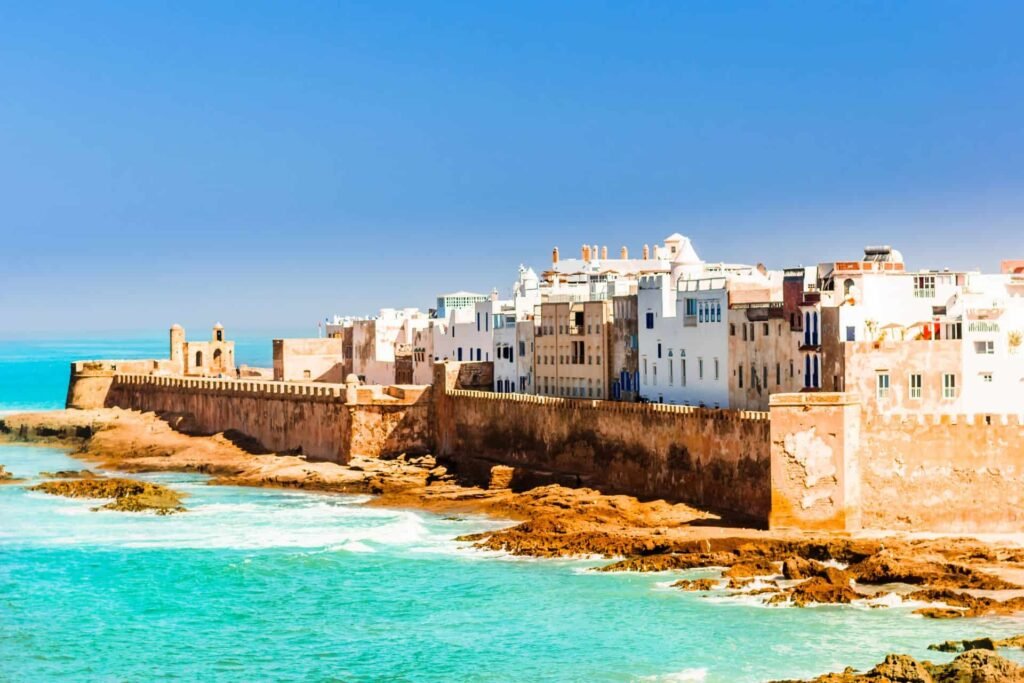
Morocco’s coastal cities offer a more temperate climate compared to the inland regions. Essaouira is pleasant year-round, while Casablanca and Tangier are best visited during spring or fall to avoid summer crowds.
The Sahara Desert Experience
The Sahara Desert is best visited during the cooler months (October-February) to avoid the extreme heat of the summer. This period is ideal for camel treks and desert camping.
Atlas Mountains and Highland Regions
The Atlas Mountains are perfect for hiking and trekking during spring (April-May) and fall (September-October) when the weather is mild and landscapes are lush.
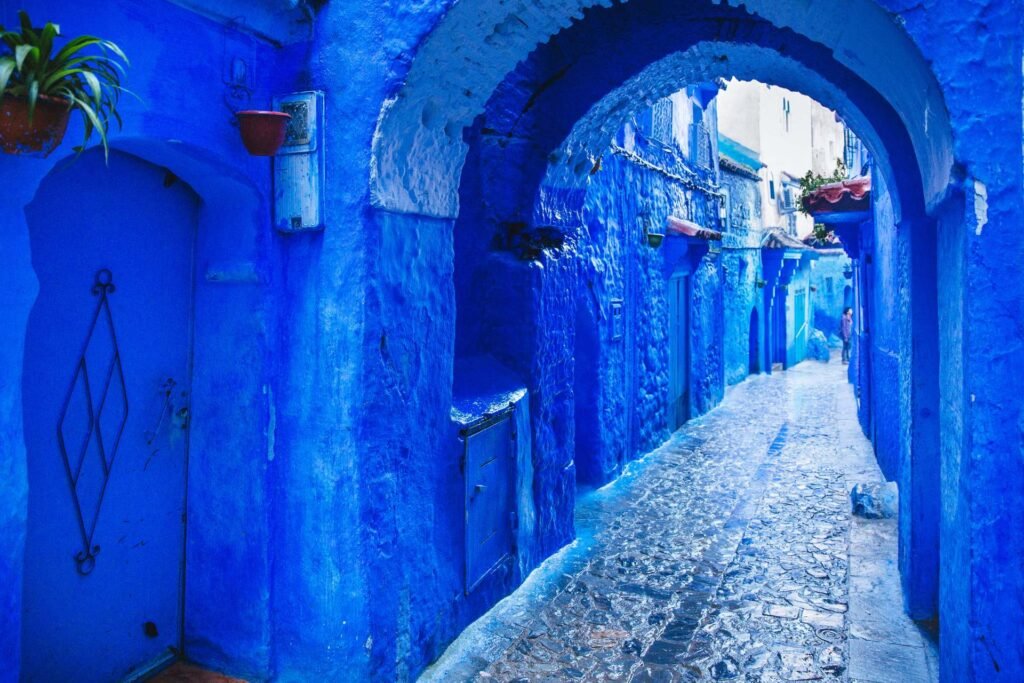
Blue City of Chefchaouen
Chefchaouen, nestled in the Rif Mountains, enjoys a cooler climate. Spring (April-May) and fall (September-October) are ideal times to visit, offering comfortable temperatures and photogenic conditions.
Best Times for Specific Activities in Morocco
Whether you’re interested in city tours, desert camping, or surfing, understanding the best times for these activities can enhance your Moroccan experience. Morocco’s diverse climate and geography mean that different pursuits are best enjoyed during specific times of the year.
Cultural Exploration and City Tours
The best time for cultural exploration and city tours in Morocco is during the spring (March to May) and fall (September to November). These periods offer mild weather, making it ideal for exploring the bustling streets of Marrakesh, the historic medinas, and other cultural sites. The comfortable temperatures and fewer crowds enhance the overall experience.
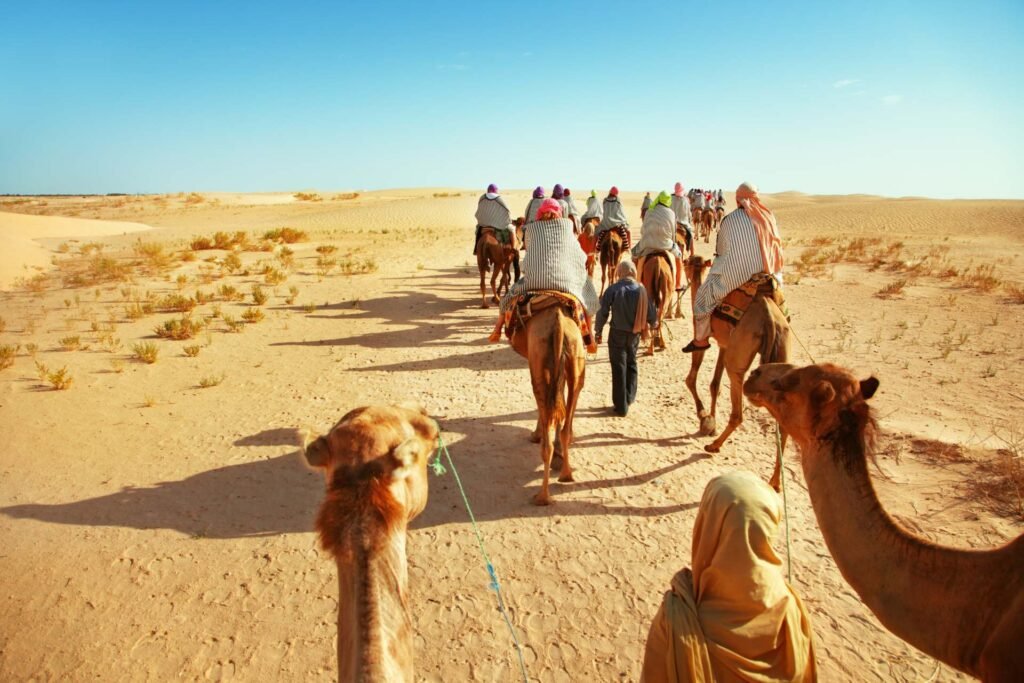
Desert Camping and Camel Treks
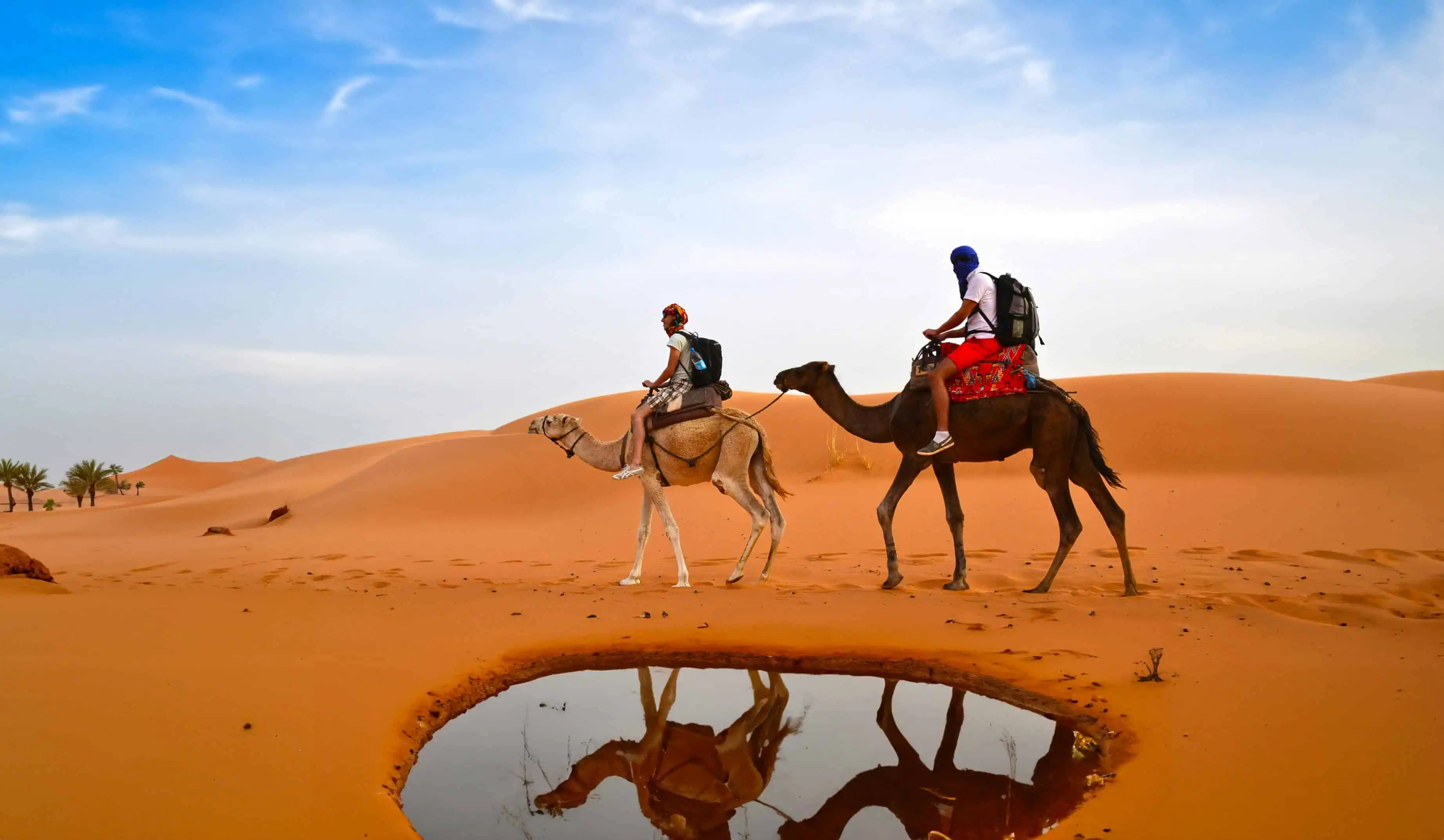
For desert camping and camel treks, the best time is from October to February when the temperatures are more bearable. The Sahara Desert can be extremely hot during the summer months, but during the winter, the temperatures drop significantly at night, offering a unique camping experience under the stars.
Surfing and Beach Activities
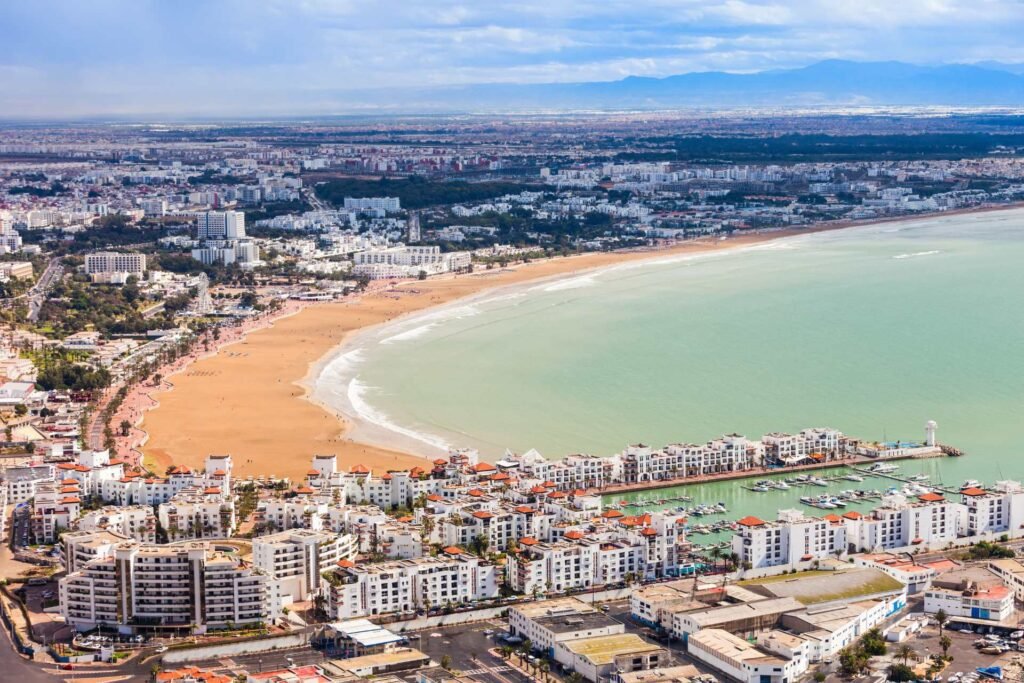
Morocco’s coastline is a surfer’s paradise, with the best surfing conditions typically found between September and April. The swells are consistent during these months, making it ideal for both beginners and experienced surfers. Taghazout, near Agadir, is a popular spot known for its excellent waves.
Hiking and Mountain Adventure
The Atlas Mountains offer fantastic hiking opportunities, with the best times being spring (March to May) and autumn (September to November). During these seasons, the weather is mild, and the trails are less crowded, making for a more enjoyable hiking experience.
Photography and Sightseeing
Photography in Morocco is rewarding year-round, but certain times offer unique advantages. Spring brings vibrant colors and blooming landscapes, while autumn provides golden light and clear skies. The Sahara Desert is particularly stunning during the golden hour, whether in spring or autumn.
Special Considerations for Morocco Travel
As you plan your trip to Morocco, it’s essential to consider a few special factors that can impact your travel experience. Morocco is a predominantly Islamic country with a relaxed atmosphere, but being respectful of local customs is crucial.
Traveling During Ramadan
During Ramadan, many restaurants are closed during the day, and some businesses may operate on reduced hours. We recommend being respectful of fasting locals by avoiding eating in public during daylight hours. This period also brings a unique spiritual atmosphere, offering travelers a chance to experience local culture deeply.
Peak Tourist Seasons and Pricing
Morocco’s peak tourist season is during spring and fall, when the weather is mild and pleasant. Prices for accommodations and tourist services tend to be higher during these periods. If you’re looking for a more budget-friendly option, consider traveling during the shoulder season.
Packing Tips for Different Seasons
Packing for Morocco requires careful consideration of both seasonal weather variations and cultural sensitivities. For example, during the summer, prioritize lightweight, breathable fabrics, while in the winter, pack layers for cooler mornings and nights. Regardless of the season, modest clothing that covers shoulders and knees is recommended, especially when visiting rural areas or religious sites.
Conclusion: Tailoring Your Perfect Moroccan Journey
The best time to visit Morocco is a personal decision, influenced by your itinerary, activities, and the experiences you seek. We recommend considering spring and fall for balanced conditions across multiple regions.
By planning your trip thoughtfully around seasonal patterns, you can enjoy a more immersive and comfortable travel experience in this captivating North African kingdom.


