As you plan your next destination, Morocco beckons with its vibrant culture, stunning landscapes, and historic cities like Fes, Casablanca, Tangier, and Marrakech. But a pressing question lingers: Is It Safe to Travel to Morocco? We assess Morocco as a generally safe country for travelers, with good security services and a government that prioritizes tourist safety. The U.S. State Department rates Morocco with a ‘Level 2’ safety advisory, advising travelers to exercise increased caution. In this guide, we’ll explore the complete safety picture of Morocco, addressing common concerns and questions to help you make informed decisions about your journey.
Overview of Safety in Morocco
When considering a trip to Morocco, understanding the safety situation is crucial for a enjoyable and stress-free journey. Morocco is a North African Kingdom with a population of nearly 40 million people and a GDP of roughly $385 billion. The country is home to several historically and culturally rich cities, including Casablanca, Marrakech, Tangier, Fes and Rabat.
Morocco’s Political Stability and Security
Morocco stands out for its remarkable political stability in a region often characterized by unrest. The country’s constitutional monarchy has created a foundation for security that benefits both locals and visitors. This stability is reflected in Morocco’s ranking in the Global Peace Index, where it finished tied for 79th out of 163 countries, praised for its low levels of political terror and access to weapons.
The government’s commitment to maintaining security is evident in its visible police presence in major tourist areas, helping to maintain order and ensure a safe environment for travelers.
Current Safety Rating and Travel Advisories
As of 2025, the U.S. State Department rates Morocco with a “Level 2” safety advisory, recommending that travelers exercise increased caution. This rating is a testament to the country’s overall safety. Additionally, Morocco ranked 24th on the Global Finance list of the world’s safest countries, surpassing countries like Portugal, Sweden, and the Netherlands.
Travelers should stay informed about local conditions and follow the advice of their government’s travel advisories to ensure a smooth and enjoyable trip.
Is It Safe to Travel to Morocco? The Facts
As travelers, we’re often concerned about safety when visiting Morocco, but what are the real risks we should be aware of? Morocco is generally considered a safe country to visit, with low crime rates compared to other countries in the region. However, like many popular tourist destinations, there are certain safety concerns that travelers should be aware of to ensure a smooth and enjoyable trip.
Crime Rates and Common Safety Concerns
Petty crime is the most significant concern for travelers in Morocco, with bag snatching and pickpocketing being common in crowded areas and tourist hotspots like Casablanca, Rabat, and Marrakech. To minimize risks, it’s advisable to be mindful of your belongings, especially in dense areas, and consider using a money belt or a secure bag. While violent crime is rare, it’s essential to remain cautious and avoid displaying signs of wealth.
Moroccan authorities generally prioritize tourist safety, given the importance of tourism to the country’s economy. As a result, security measures are often robust in areas frequented by visitors. Nonetheless, travelers should remain vigilant and take common-sense precautions to protect themselves and their belongings.
Terrorism Risk Assessment
The U.S. State Department has issued a Level 2 travel advisory for Morocco “due to terrorism.” While the threat of terrorism is a concern, it’s worth noting that the last major terrorist incident in Morocco occurred in 2011. The Moroccan government has since strengthened security measures at key tourist sites, transportation hubs, and public gathering places. Terrorist groups continue to plot possible attacks, but the risk is considered relatively low, and most visits to Morocco are completed without incident.
To stay safe, it’s recommended to stay informed about local conditions, follow local news, and avoid areas that could be potential targets. By being aware of the surroundings and taking necessary precautions, travelers can minimize their exposure to risk.
Safety in Major Moroccan Cities
Morocco’s urban centers are generally safe, but being informed about local conditions can enhance your travel experience. As we explore the safety landscape of major Moroccan cities, you’ll gain valuable insights into navigating these destinations with confidence.
Marrakech Safety Guide
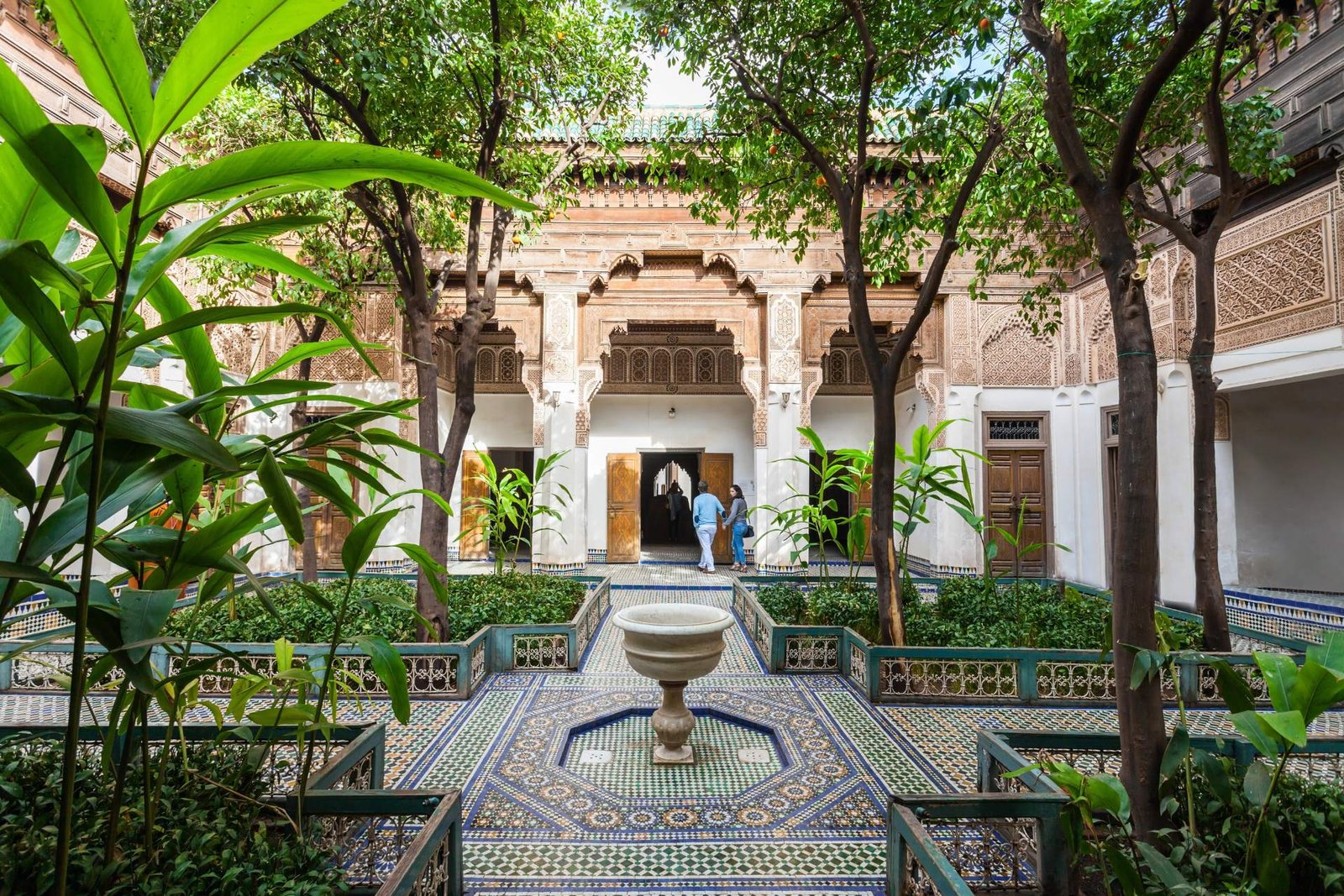
Marrakech is considered safe for travelers, with the typical risk of petty crime and scams. To enjoy this vibrant city, be mindful of your belongings, especially in crowded areas like the famous Jemaa el-Fnaa square. Keep your valuables secure and be cautious of overly friendly strangers who might be trying to distract you.
Casablanca Safety Considerations
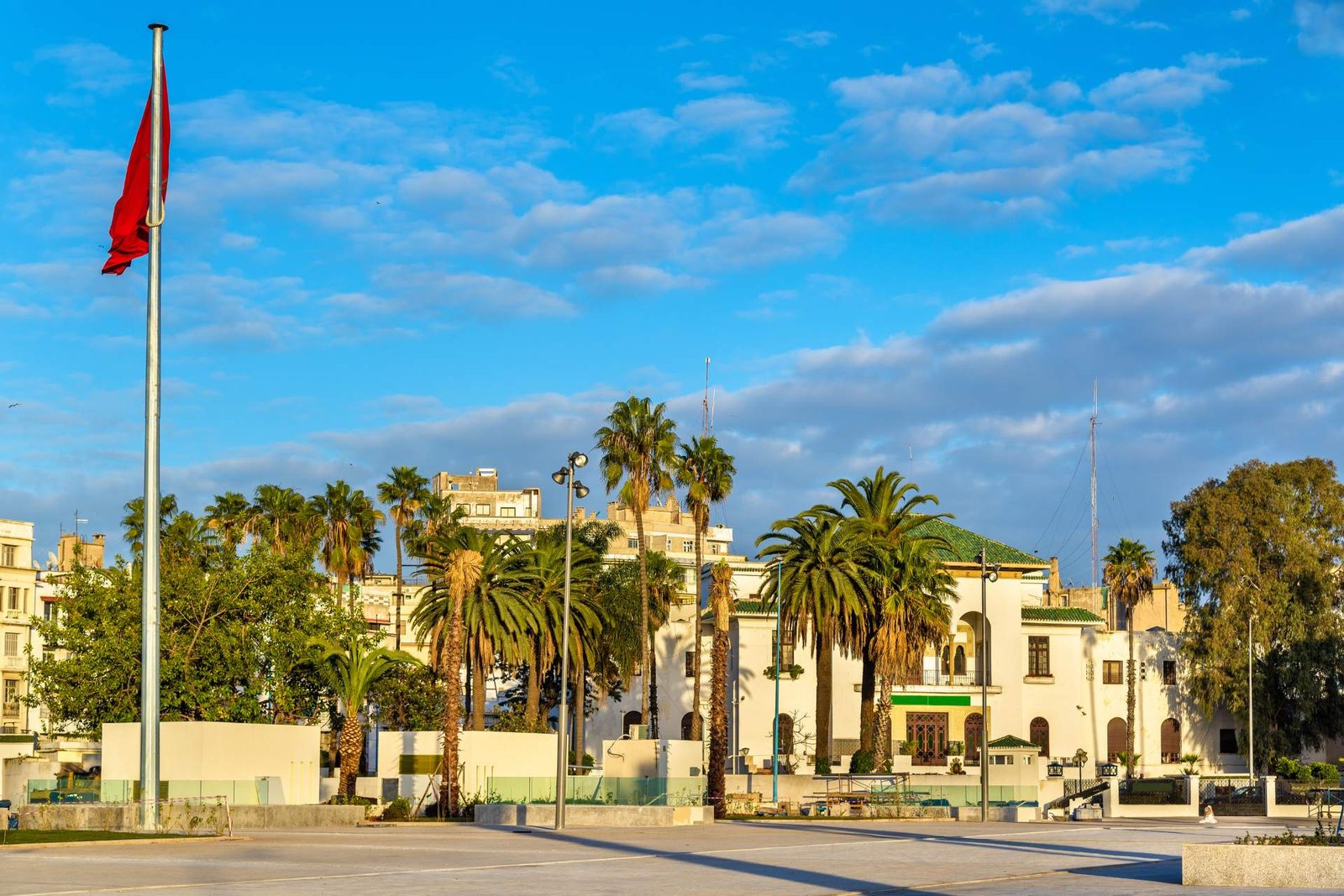
Casablanca, Morocco’s economic and business capital, is generally safe for travelers. However, analysts note that Casablanca has a higher harassment threat than other areas, so female travelers should be particularly aware of their surroundings. Stick to well-lit and populated areas, especially at night, and consider using reputable transportation services.
Fez, Tangier, and Other Popular Destinations
The maze-like medina of Fez can be intimidating in the evening due to its sheer size. If you become lost or feel unsafe, ask a shopkeeper for help rather than street kids. Tangier, with its coastal charm, is generally safe, but be aware that it has a higher pickpocket threat than other areas. Other popular destinations like Chefchaouen, Essaouira, and Rabat have their unique safety profiles, but overall, they are considered safe for travelers.
When navigating Moroccan cities at night, consider using licensed taxis or ride-sharing services, and avoid walking alone in dimly lit or deserted areas. By being aware of your surroundings and taking normal precautions, you can have a safe and enjoyable experience in Morocco’s major cities.
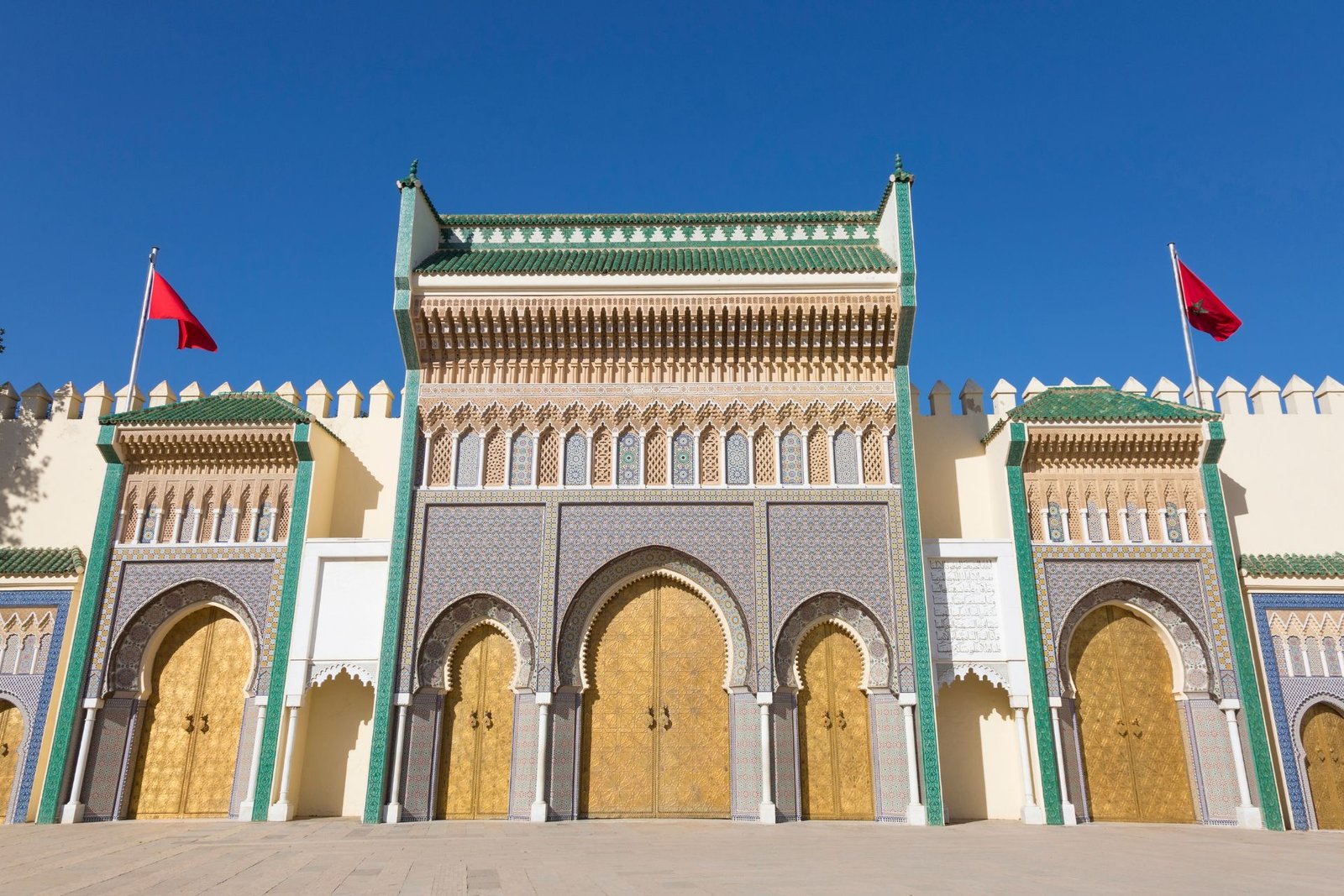
Regional Safety Concerns
As we explore the safety landscape of Morocco, it’s crucial to examine regional concerns that could impact your travel plans. Morocco’s diverse regions present varying levels of safety, from the bustling cities to the vast desert landscapes.
Border Regions and Western Sahara
One of the primary regional safety concerns in Morocco is the border regions, particularly the disputed territory of Western Sahara. A militarized boundary, known as the Berm, separates the Moroccan-controlled part of Western Sahara from the rest of the Saharan territory. This area is littered with unexploded landmines, posing a significant risk to travelers. We strongly advise against traveling to the Western Sahara region, the Algerian border, and areas near the Berm due to these security concerns.
Additionally, Morocco’s border with Algeria is closed, and travelers should not attempt to cross into Algeria by land or water. When near the maritime border, avoid boating close to it to prevent accidental crossing.
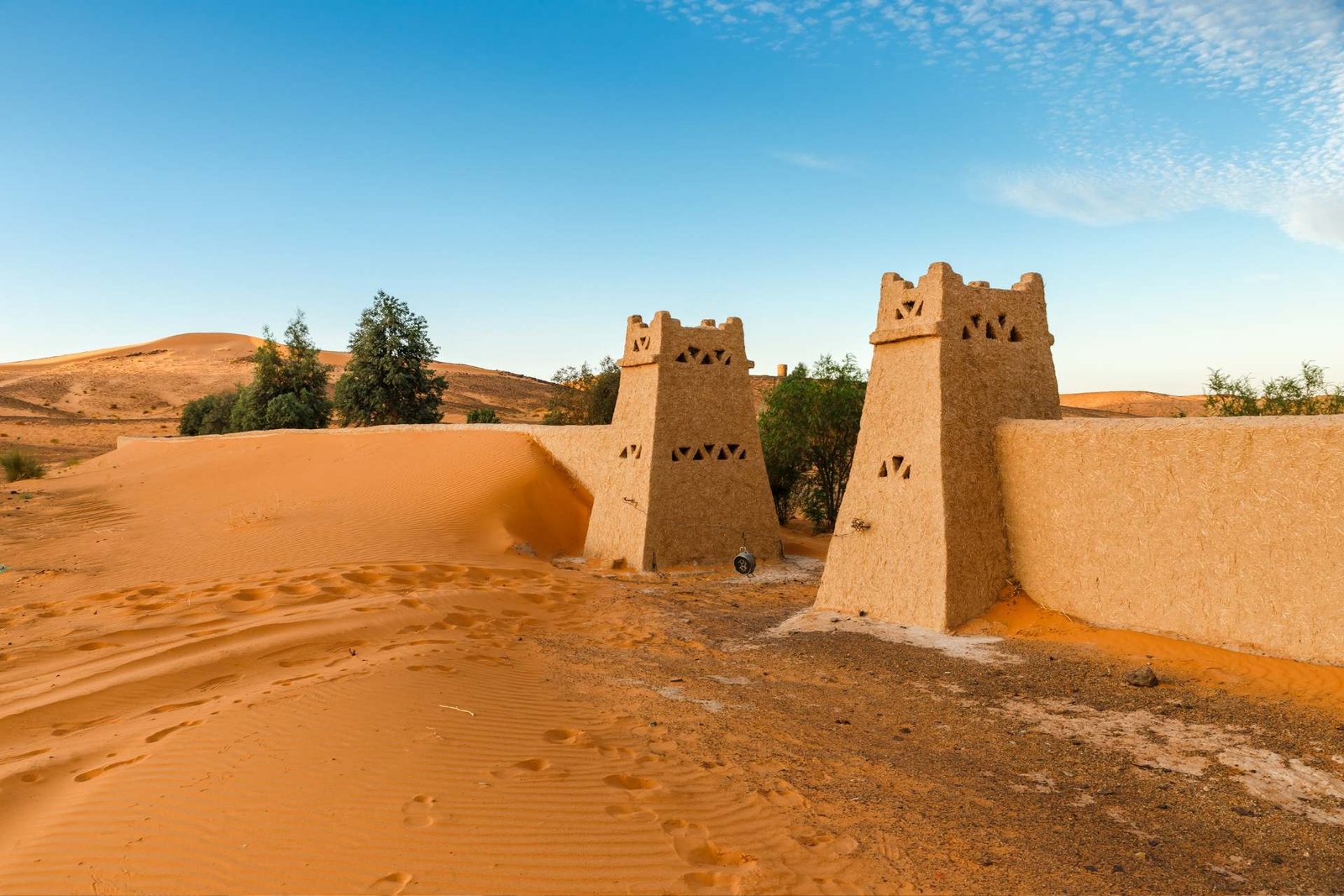
Rural Areas and Desert Safety
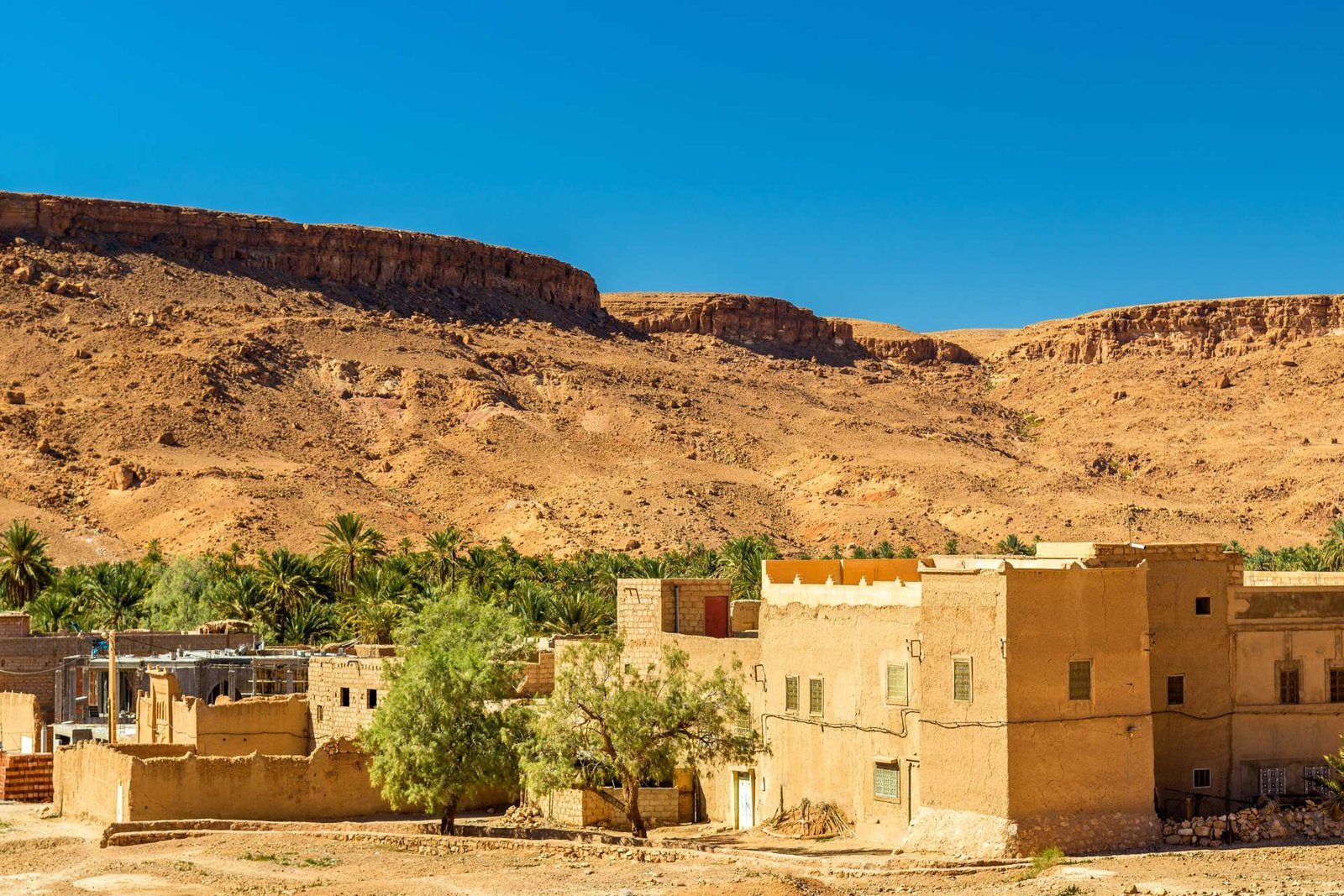
Morocco’s rural areas and desert landscapes, while beautiful and alluring, require special caution. The desert’s biggest danger is the heat; thus, it’s essential to pack sunscreen and ensure access to air conditioning during hot months. When traveling with children, be doubly cautious. For desert adventures, consider hiring experienced guides who know the terrain and can provide necessary assistance.
When exploring rural areas, be aware that infrastructure may be less developed, and emergency services might be less readily available. Always prioritize your safety and take necessary precautions to ensure a smooth and enjoyable journey.
Safety Tips for Different Travelers
Morocco, a country rich in culture and history, demands a nuanced approach to safety for various travelers. As we guide you through the specific challenges faced by different types of travelers, we’ll provide you with practical tips to ensure a safe and enjoyable journey.
Women Traveling in Morocco
Women traveling alone in Morocco may encounter certain forms of harassment and verbal abuse. To minimize these experiences, it’s advisable to dress conservatively and behave discreetly, respecting local customs and traditions. When exploring cities, women should expect some level of cat-calling and hissing; traveling with companions can significantly reduce unwanted attention.
Exercising extra caution in public spaces, including nightclubs and social establishments, is also recommended. By being aware of their surroundings and keeping valuables secure, women can enjoy Morocco’s vibrant culture while maintaining their safety.
LGBTQ+ Travelers
Morocco is a conservative and highly religious Islamic society where traditional gender norms are enforced. While same-sex relationships are technically illegal, private behavior is generally tolerated in tourist areas. LGBTQ+ travelers should be cautious when expressing their identity in public to avoid any potential issues.
Family Travel Safety
Families traveling with children can have a wonderful time in Morocco, exploring its medinas, beaches, and natural attractions. To ensure a smooth experience, it’s essential to choose child-friendly accommodations and transportation options. Being mindful of health precautions and keeping a close eye on children in crowded areas will also contribute to a safe and enjoyable family vacation.
By understanding the unique safety concerns for women, LGBTQ+ travelers, and families, we can provide you with bespoke travel advice tailored to your needs, ensuring a memorable and worry-free experience in Morocco.
Transportation and Getting Around Safely
To ensure a smooth and safe journey in Morocco, understanding the country’s transportation options is crucial. Morocco offers a variety of transportation methods, each with its own set of safety considerations.
Road Safety and Driving Considerations
Driving in Morocco’s larger cities can be challenging due to semi-organized traffic and varying driving behaviors. If you decide to drive, defensive driving is key, and ensuring your rental car is insured is a must. It’s also advisable to avoid driving at night, especially in rural areas where roads are poorly lit, increasing the risk of accidents involving animals.
Public Transportation Safety
Morocco’s public transportation network includes buses and trains that are generally safe, especially for intercity travel. Companies like Supratours and CTM are reputable for their intercity bus services. For train travel, the new Al-Boraq high-speed train connecting Casablanca with Tangier is a modern and safe option. However, it’s essential to keep an eye on your belongings, especially in crowded areas.
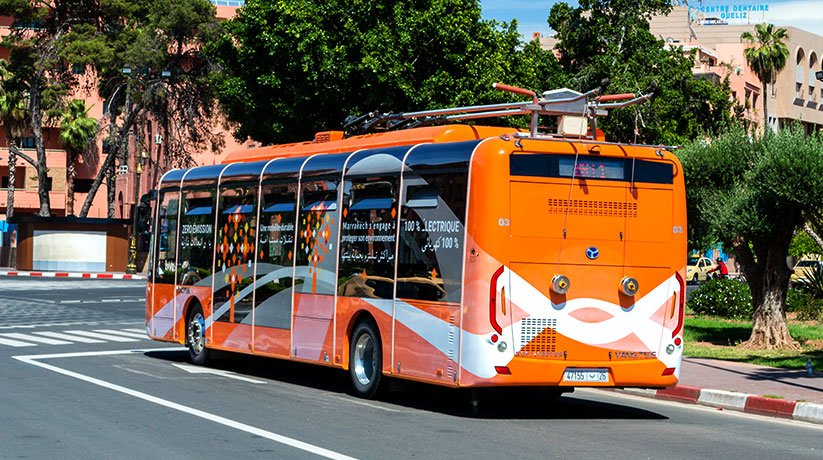
Taxis and Rideshare Services
Taxis, particularly the “petit taxis,” are a safe mode of transportation within cities, identifiable by their specific colors in major cities (red in Casablanca, blue in Rabat, tan in Marrakech). Rideshare services like Heetch are also available and generally safe during the day. However, it’s recommended to exercise caution when traveling alone at night and to use reputable services.
By understanding these transportation options and their safety considerations, travelers can navigate Morocco with confidence, ensuring a safe and enjoyable trip.
Cultural Awareness and Avoiding Problems
As you prepare for your journey to Morocco, it’s essential to understand the local customs and traditions that will impact your travel experience. Morocco is a country with a rich cultural heritage, deeply influenced by Islamic practices and beliefs. By being aware of and respecting these customs, you can significantly enhance your safety and overall experience in Morocco.
Respecting Local Customs and Traditions
Morocco is a conservative country, and visitors are expected to dress modestly, especially when visiting rural areas or religious sites. Public displays of affection are generally frowned upon, and it’s advisable to keep your beliefs to yourself. During Ramadan, the Islamic month of fasting, it’s essential to be respectful of those fasting by avoiding eating, drinking, or smoking in public during daylight hours.
Understanding and respecting local customs will not only make your trip more enjoyable but also help you avoid unintended offense. For instance, removing your shoes before entering a mosque or a traditional home is a sign of respect. Being mindful of these customs demonstrates your appreciation for the local culture.
Common Scams and How to Avoid Them
Unfortunately, tourists in Morocco can be targets for scams, ranging from fake guides to inflated prices. Being aware of these potential scams can save you a lot of trouble. When approached by overly friendly locals who offer unsolicited help, it’s best to be cautious and politely decline their services. Tourists should also be wary of distraction techniques used to steal valuables.
To navigate Morocco’s famous markets and medinas safely, it’s crucial to be informed and prepared. By understanding the common scams and taking necessary precautions, you can enjoy the vibrant atmosphere without falling prey to high-pressure sales tactics or misleading information.
Conclusion: Is Morocco Worth Visiting?
Morocco, a country that seamlessly blends ancient traditions with modern vibrancy, stands out as a safe and rewarding destination for discerning travelers. While it’s essential to remain vigilant, especially in crowded areas, petty theft is the most common safety concern. With proper precautions and an understanding of local customs, visitors can have a truly unforgettable experience.
To ensure a smooth trip, travelers should secure comprehensive travel insurance, register with their embassy, and stay informed about current events. It’s also crucial to respect local customs, stay hydrated with bottled water, and be cautious about food safety. For those venturing into remote areas, medical evacuation coverage is highly recommended.
With its rich history, stunning landscapes, and warm hospitality, Morocco remains a top destination for travelers. Whether you’re a solo adventurer or traveling with family, this captivating North African kingdom promises an enriching experience. So, pack your bags, take the necessary precautions, and get ready to explore the wonders of Morocco.


