Are you ready to embark on a journey that seamlessly blends ancient traditions with modern excitement? Our Morocco Travel Guide explores this captivating country in northwest Africa, just across the Strait of Gibraltar from Spain, offering a unique blend of African, Arab, and Berber cultures.
As you plan your trip, you’ll want to know what to expect from this enchanting destination. Our comprehensive guide is designed to help you navigate the intricacies of this fascinating land with confidence and excitement, ensuring an experience you’ll never forget. From visa requirements to cultural etiquette, we’ll walk you through everything you need to know to make the most of your time in this incredible country.
Discovering Morocco: A Land of Contrasts
As a land of contrasts, Morocco offers an unforgettable journey through its diverse landscapes, cultures, and histories. This North African country is a treasure trove of experiences, waiting to be explored.
Where is Morocco Located?
Morocco is situated in the Maghreb region of North Africa, bordering the Atlantic Ocean to the west, the Mediterranean Sea to the north, and the Sahara Desert to the south. Its strategic location at the crossroads of Africa, Europe, and the Arab world has made it a melting pot of cultures, creating a unique cultural identity that is reflected in its architecture, cuisine, and traditions.
Brief History and Cultural Background
Morocco’s rich history spans thousands of years, with various civilizations having left their mark on the country. Once part of the Carthaginian Empire, the first independent Moroccan state emerged around 225 BCE as the Berber kingdom of Mauretania. The kingdom eventually became a Roman province, and later, by the 7th century CE, Morocco was influenced by the Muslim conquest of North Africa. A French Protectorate from 1912-1956, Morocco gained its independence in 1956 and has been an independent state ever since.
The country’s cultural heritage is a blend of Berber, Arab, European, and Sub-Saharan African influences, creating a distinctive national identity. The imperial cities of Marrakech, Fez, Meknes, and Rabat are testaments to Morocco’s rich history, offering visitors a journey through time as they explore these living museums.
Planning Your Morocco Trip
With its rich history, diverse culture, and varied landscapes, Morocco is a destination that demands thoughtful planning to fully appreciate its many wonders. As we guide you through the planning process, you’ll be able to create a memorable and stress-free journey.
Visa Requirements for Americans
For travelers from the United States, Canada, the UK, EU countries, Australia, New Zealand, and many other countries, visiting Morocco is relatively straightforward. Citizens of these countries don’t need a visa if their trip is less than 90 days. We recommend checking the official government website for the most up-to-date visa requirements to ensure a smooth entry into Morocco.
Best Time to Visit Morocco
The best time to visit Morocco is during the spring (March-May) and fall (September-November), when temperatures are pleasant and tourist crowds are thinner than during peak summer months. The weather varies dramatically across Morocco’s diverse regions; coastal areas enjoy Mediterranean climates, while inland cities can experience extreme heat in summer, and the Atlas Mountains may see snow in winter. By choosing the right time to visit, you’ll be able to make the most of your trip.
Planning Around Religious Holidays
Religious holidays, particularly Ramadan, deserve special attention when planning your journey, as they can significantly impact your experience with altered business hours and closed restaurants during daylight. Ramadan typically lasts 30 days from March or April until April or May. During this time, Muslims abstain from food and drink every day from dawn until sunset. We recommend planning around Ramadan or being prepared for the changes it brings to your travel experience.
To make the most of your trip, we suggest allowing at least 7-10 days for a first-time visit to Morocco to experience the country’s highlights without feeling rushed. With two weeks, you’ll have a more comprehensive experience, taking in the vibrant cities, stunning landscapes, and rich cultural heritage that Morocco has to offer.
How to Get to Morocco
Traveling to Morocco can be a seamless experience when you know your options for getting there. We guide you through the best ways to reach this captivating country.
Flying to Morocco
Morocco is well-connected to international destinations, with major airports in Casablanca (CMN) and Marrakech (RAK) serving as the primary gateways for travelers arriving by air. Many major airlines service both airports, including Delta, American Airlines, Emirates, British Airways, and Air Canada.
Direct flights to Morocco are available from major cities across Europe, the Middle East, and North America, with flight times ranging from 2-3 hours from European hubs to 7-10 hours from North American cities. Consider booking open-jaw flights to maximize your time exploring Morocco without backtracking.
Ferry Options from Spain
For travelers already in Europe, ferries offer a scenic alternative way to reach Morocco. Regular connections from southern Spain to Tangier take as little as 1-2 hours depending on the route. The fastest ferry routes leaving from Spain are from Algeciras and Tarifa ports, arriving in Tangier in just 60-90 minutes.
Depending on the route, the trip can be as short as 1 hour and 30 minutes or up to 36 hours. We recommend checking the latest schedules and prices to plan your journey accordingly.
Ultimate Morocco Travel Guide: Transportation Options
Navigating Morocco’s diverse landscapes requires a solid understanding of the country’s transportation network. Morocco offers a variety of transportation options that balance convenience, cost, and comfort for travelers exploring this diverse country.
Trains and Buses
Morocco’s national rail network, ONCF, provides comfortable, air-conditioned trains connecting major cities like Casablanca, Rabat, Tangier, Fez, and Marrakech—offering an efficient way to cover long distances while enjoying scenic landscapes. For destinations not served by trains, intercity buses operated by companies like CTM and Supratours provide reliable, affordable connections throughout the country with varying levels of comfort.
Taxis and Ride-Sharing Apps
Within cities, petit taxis (small, metered taxis serving local routes) offer convenient transportation for short distances, while grand taxis (larger shared vehicles) connect neighboring towns and can be hired privately for day trips. While ride-sharing apps like Uber aren’t available in Morocco, alternatives such as Careem operate in major cities, and apps like Heetch and Roby function in Marrakech, providing a familiar booking experience for international travelers.
Renting a Car in Morocco
For those who prefer to drive, renting a car in Morocco is a viable option. This allows travelers to explore the country at their own pace, visiting remote areas that are not easily accessible by public transportation. Several car rental companies operate in Morocco, offering a range of vehicles to suit different needs and budgets.
Top Cities and Destinations in Morocco
From the vibrant streets of Marrakech to the tranquil Rif Mountains, Morocco offers a myriad of unforgettable destinations. As we explore this captivating country, we’ll discover the unique charm of its cities, each with its own story to tell.
Marrakech: The Red City
Marrakech, the vibrant “Red City,” captivates visitors with its bustling Jemaa el-Fna square, labyrinthine medina, and stunning palaces like Bahia Palace and El Badi Palace. As a major city in Central Morocco, it effortlessly blends tradition and modernity, making it an essential stop on any Morocco itinerary.
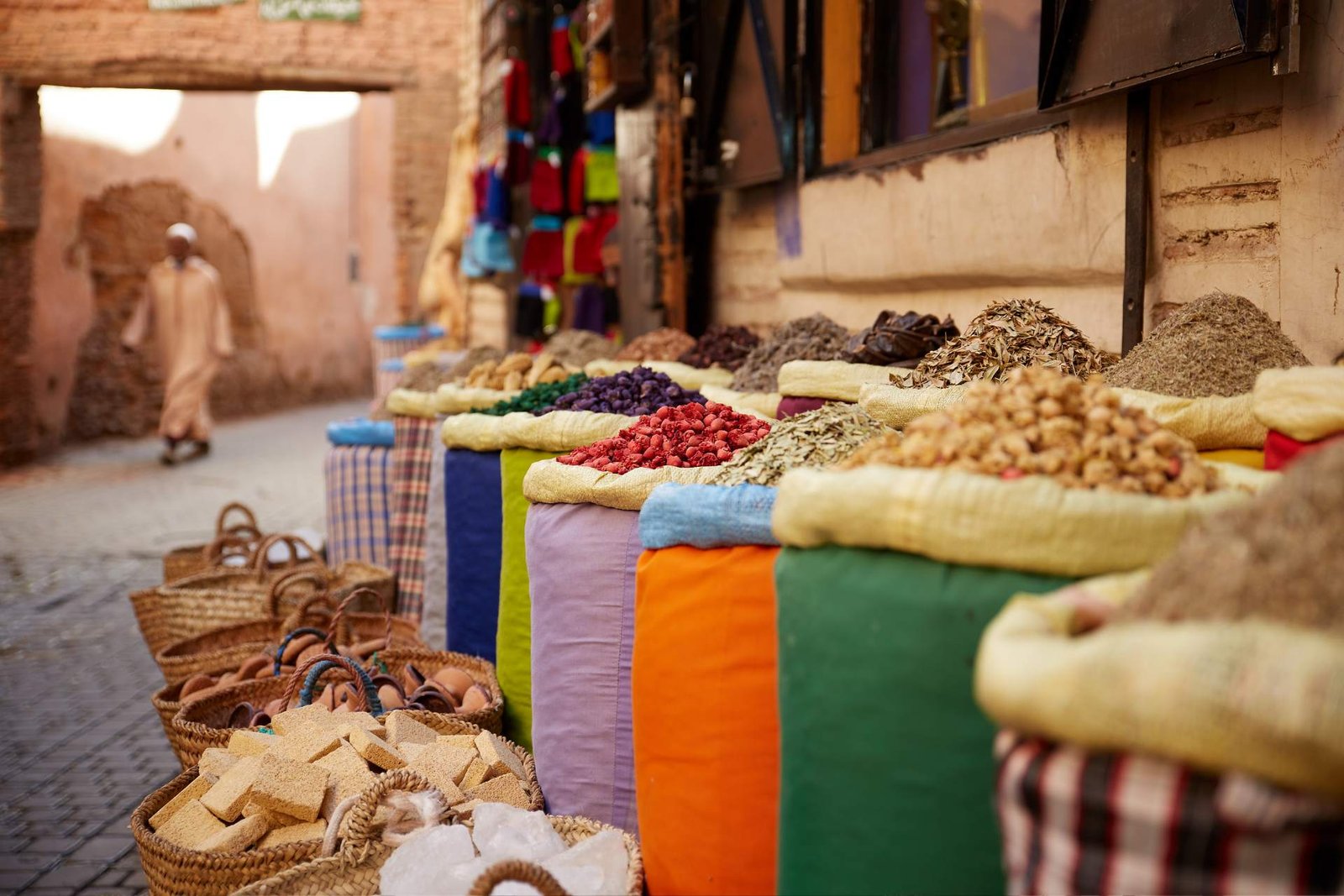
The city’s medina, a UNESCO World Heritage site, is a maze of narrow alleys filled with colorful markets, aromatic spices, and local handicrafts. Visitors can get lost in the medina’s winding streets, discovering hidden gems and experiencing the local culture firsthand.
Fes: The Cultural Capital
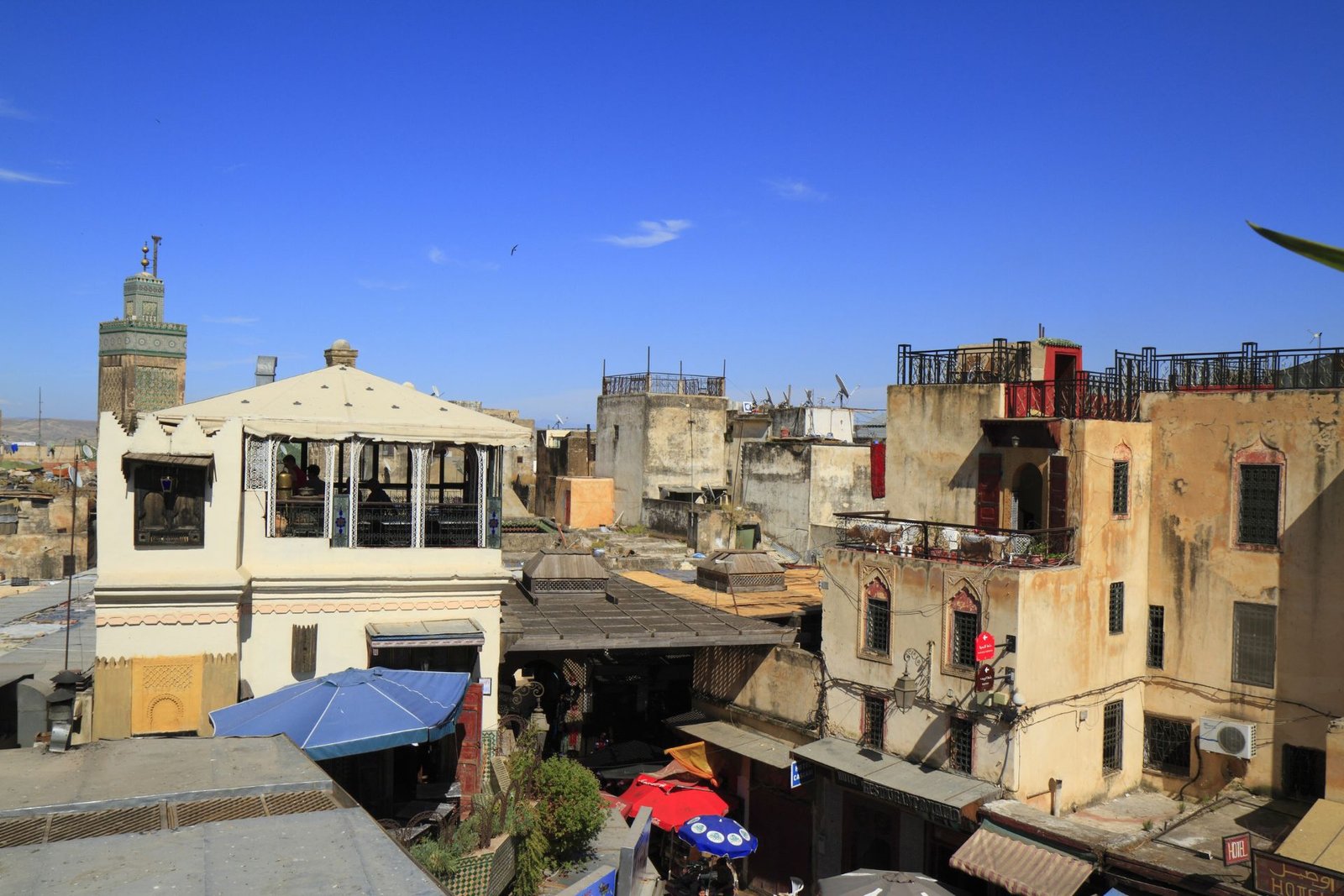
Fes houses the world’s largest car-free urban area in its ancient medina, where 9,000 narrow alleyways lead to historic madrasas, the famous tanneries, and the oldest continuously operating university in the world. This city is a treasure trove of history and culture, offering a glimpse into Morocco’s rich past.
As we wander through the medina, we’ll encounter the intricate architecture, vibrant markets, and the renowned tanneries, which have been in operation for centuries. Fes is a city that truly embodies the spirit of Morocco.
Chefchaouen: The Blue Pearl
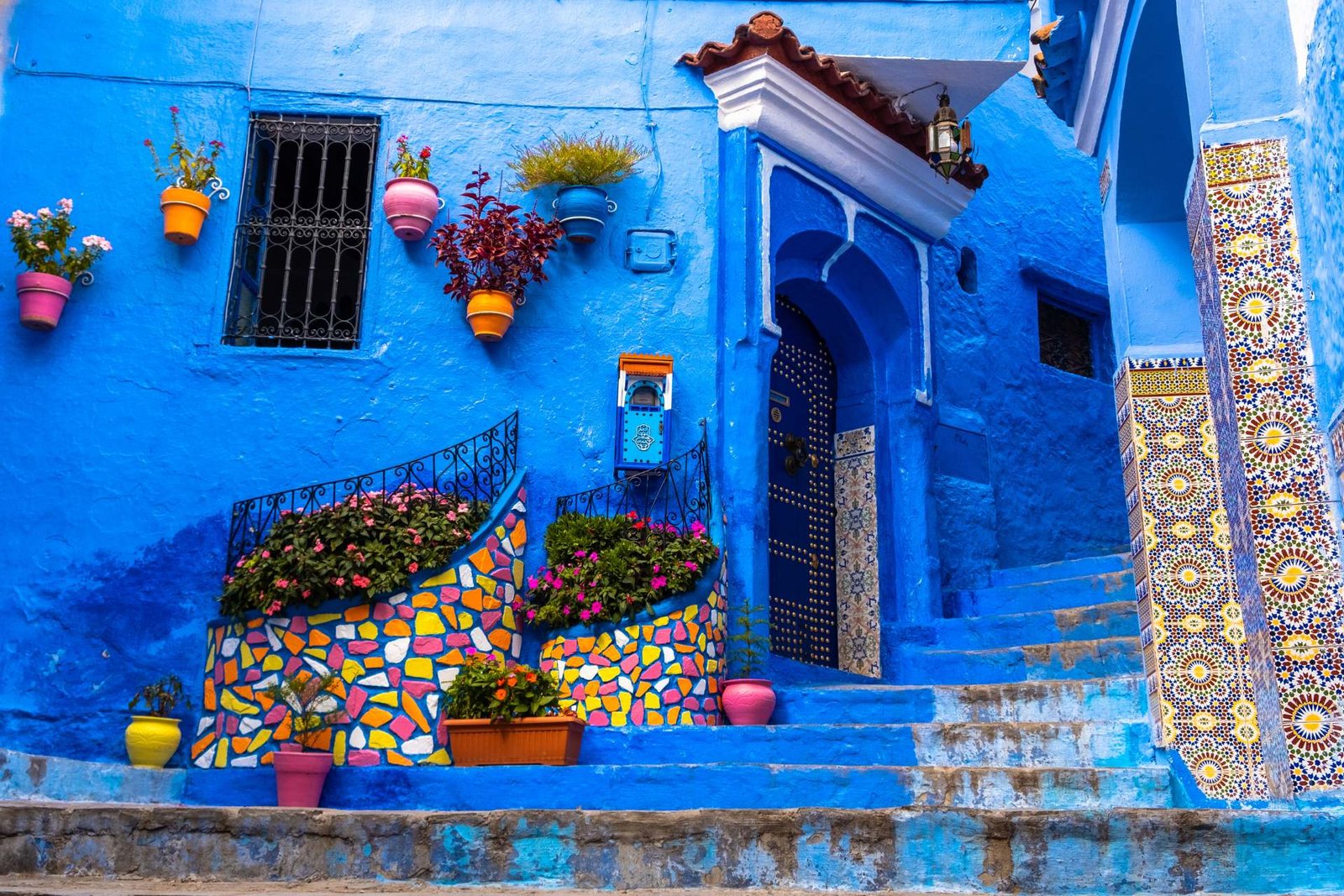
Chefchaouen, the Instagram-famous “Blue Pearl,” offers a tranquil mountain retreat where buildings washed in striking blue hues create a photographer’s paradise. Located in the Rif Mountains, this charming town provides a relaxing contrast to Morocco’s busier cities.
Visitors can enjoy hiking, exploring the local markets, and soaking up the laid-back atmosphere. Chefchaouen is an ideal destination for those seeking a peaceful getaway amidst nature’s beauty.
Casablanca and Rabat
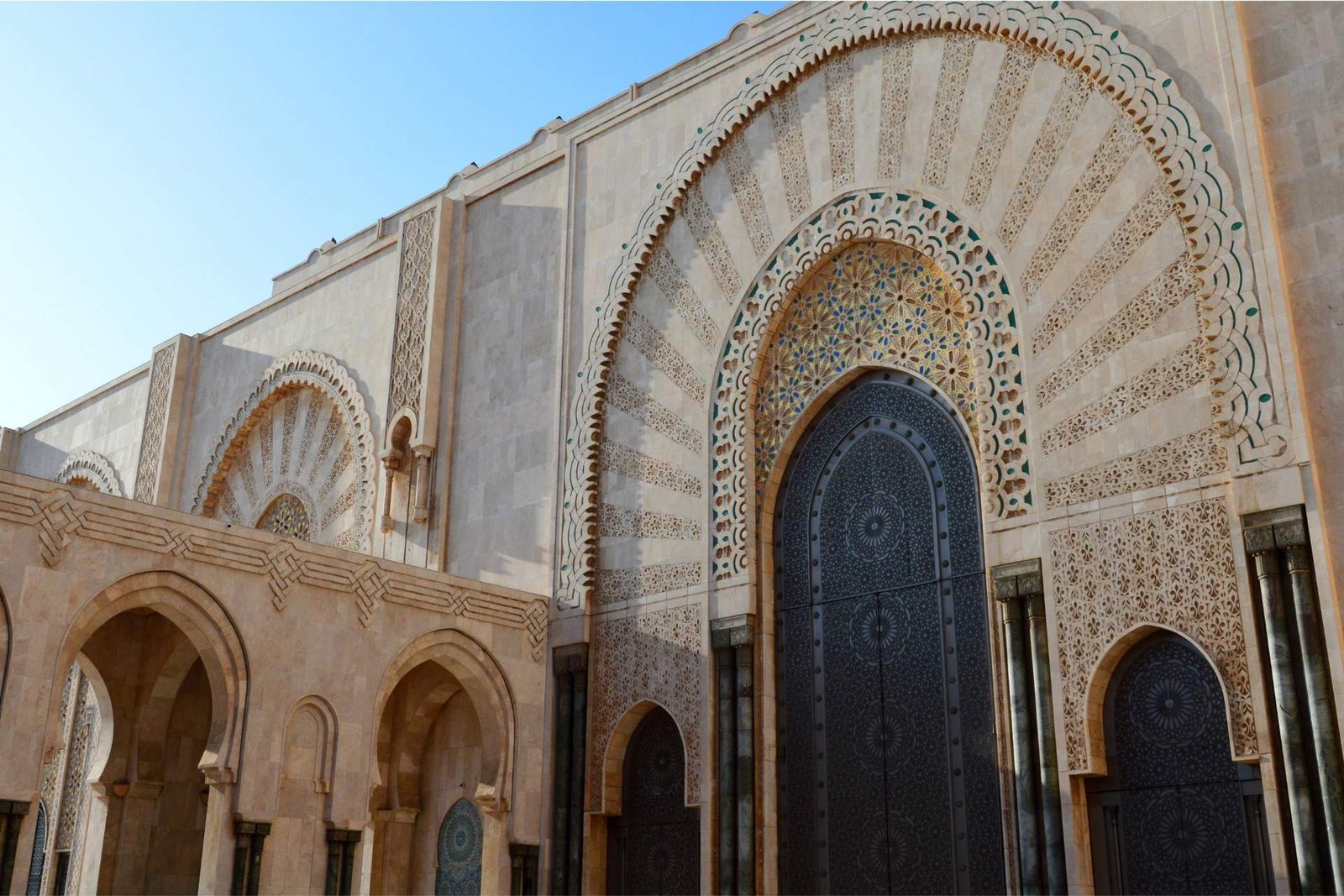
Casablanca presents Morocco’s modern face with the spectacular Hassan II Mosque, one of the few open to non-Muslims, and cosmopolitan dining and shopping. Nearby Rabat, the capital city, offers a more laid-back atmosphere with its picturesque Kasbah des Oudaias.
Both cities offer a unique blend of modern and traditional experiences, from exploring historic sites to enjoying the local cuisine.
Essaouira and the Atlantic Coast
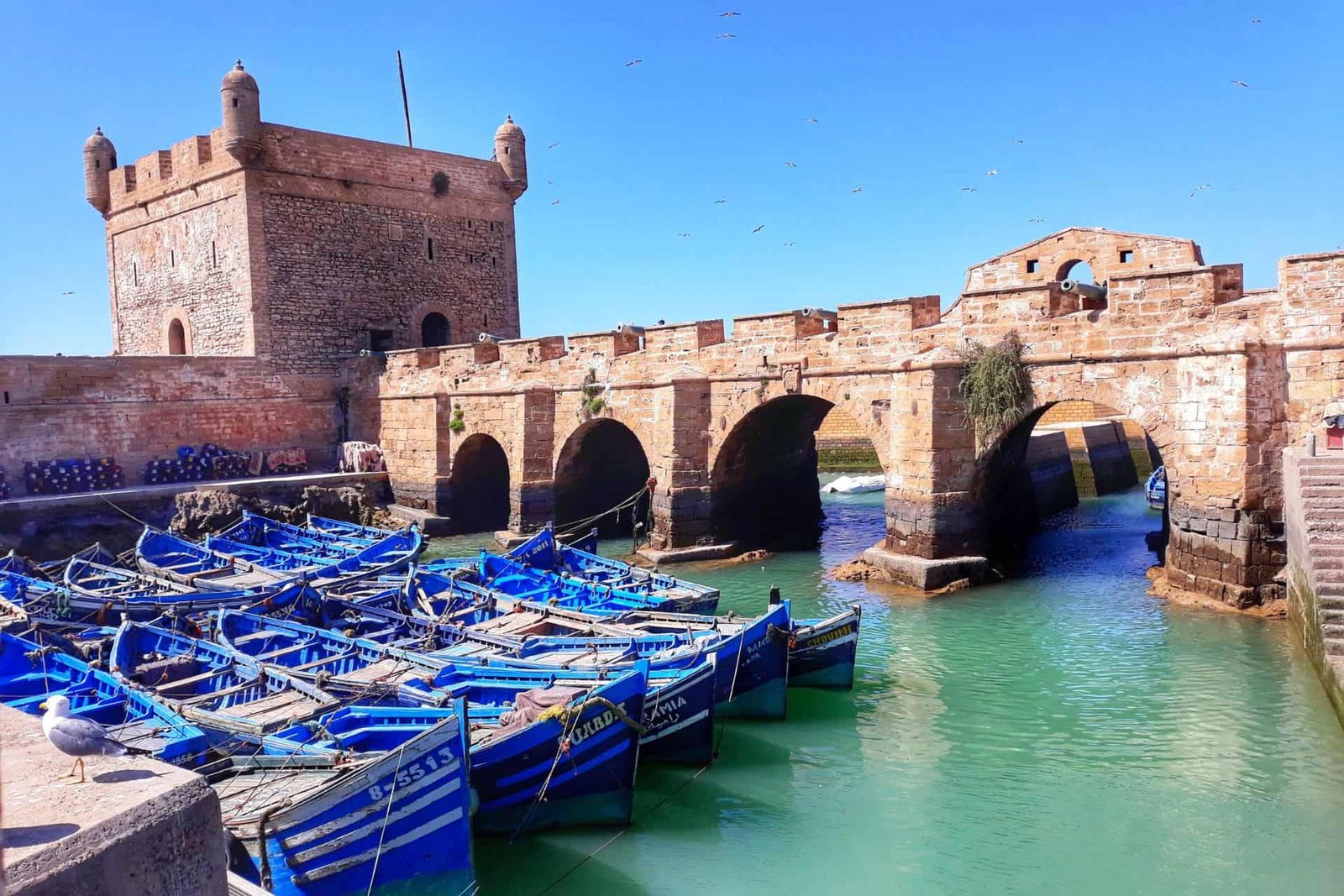
The coastal town of Essaouira charms visitors with its Portuguese fortifications, working fishing harbor, windswept beaches popular with surfers, and a medina that feels refreshingly low-pressure compared to those in larger cities.
Essaouira is a haven for those seeking a relaxing beach vacation, with its laid-back atmosphere, beautiful beaches, and vibrant cultural scene.
Must-Have Experiences in Morocco
From the vast Sahara Desert to the majestic Atlas Mountains, Morocco is a treasure trove of unforgettable experiences. As we explore this enchanting country, we’re drawn to its diverse landscapes, rich cultural heritage, and warm hospitality.
Sahara Desert Adventures
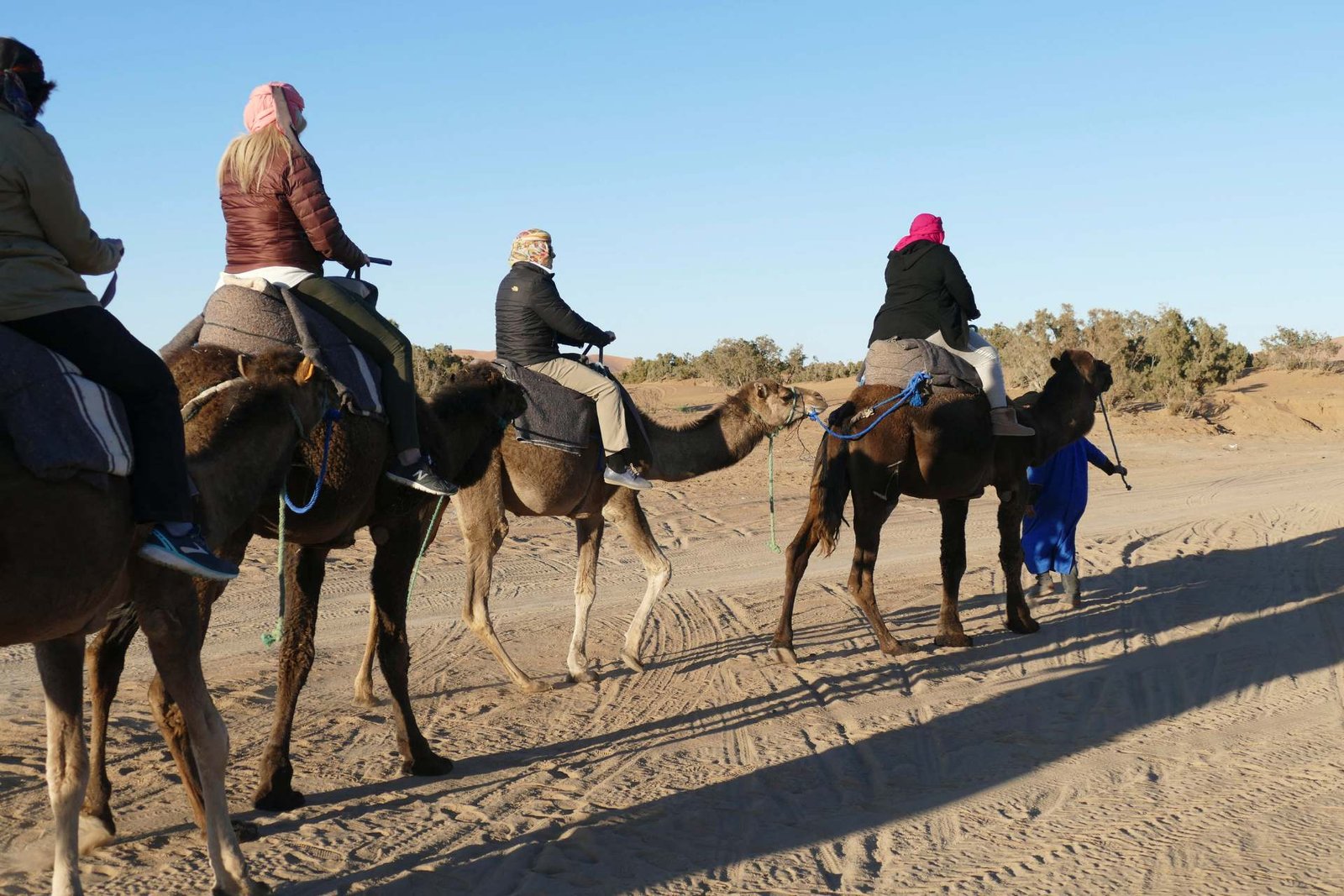
A night in the Sahara Desert under an endless canopy of stars is truly the quintessential Moroccan experience. We can enjoy camel treks across golden dunes, followed by evenings filled with traditional music around campfires, creating memories that will last a lifetime. For those looking to explore the Sahara, consider Marrakech travel packages that include desert adventures.
Exploring the Atlas Mountains
The Atlas Mountains offer spectacular trekking opportunities through Berber villages and dramatic landscapes. We can hike to the summit of Mount Toubkal, North Africa’s highest peak, for a challenging yet rewarding adventure. The best time to visit the Atlas Mountains is from April to May, making it an ideal part of our Morocco itinerary.
Traditional Hammam Experience
Experiencing a traditional hammam, or Moroccan steam bath, provides both cultural insight and rejuvenation. We can relax and unwind with a ritual of steam, scrubbing, and massage, gaining a deeper understanding of this important aspect of local life. It’s an experience that combines relaxation with cultural immersion, making it a must-have during our trip.
Morocco is a country that has a lot to offer, from its vibrant cities to its serene landscapes. As we plan our trip, we should consider including these experiences in our itinerary to make the most of our time in this beautiful country.
Where to Stay in Morocco
Morocco’s accommodation scene is as vibrant as its cities, with something for every kind of traveler. Whether you’re looking for a luxurious getaway or a budget-friendly option, you’ll find a place that suits your needs.
Traditional Riads
Staying in a traditional riad—a restored Moroccan mansion with an interior courtyard—offers an authentic accommodation experience that places you in the heart of Morocco’s historic medinas. These riads typically feature intricately carved woodwork and colorful zellige tilework, creating an oasis of calm amidst the bustling city outside.
Hotels and Resorts
For those seeking modern amenities and facilities, Morocco offers international hotel chains and luxury resorts, particularly in Marrakech, Casablanca, and along the coast in places like Agadir and Essaouira. These hotels provide a comfortable stay with top-notch services and amenities.
Budget Accommodations
Budget travelers can find comfortable accommodations in hostels, guesthouses, and budget hotels throughout the country, with prices typically much lower than equivalent options in Europe. Consider splitting your stay between different types of accommodations to experience the best of Morocco.
Moroccan Cuisine and Dining
As we explore Moroccan cuisine, we discover a world of aromatic spices and flavors. Moroccan food is a reflection of the country’s cultural heritage, blending Berber, Arabic, Andalusian, and Mediterranean influences.
Traditional Moroccan Dishes
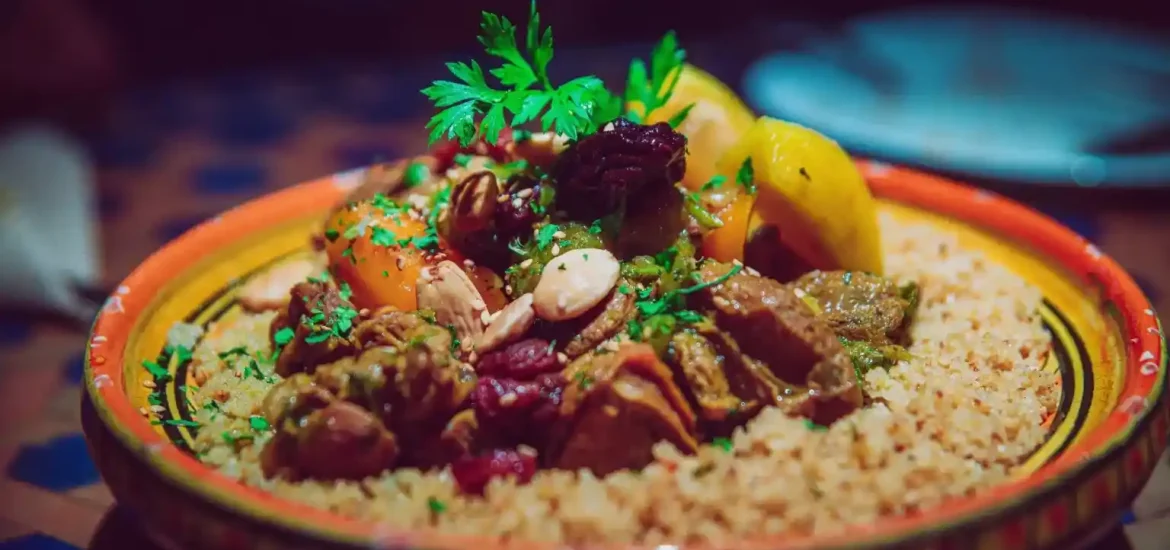
Moroccan cuisine is known for its rich and diverse dishes, often characterized by the use of spices like turmeric, saffron, and cumin. Couscous, the national dish, is traditionally served on Fridays as a communal meal, steamed to perfection and accompanied by seven vegetables. Another staple is tagine, a slow-cooked stew named after the clay pot in which it’s cooked, often featuring lamb, chicken, or vegetables seasoned with olives and preserved lemons.
Mint Tea and Coffee Culture
Mint tea is an integral part of Moroccan culture, served throughout the day as a gesture of hospitality. The preparation involves combining gunpowder green tea with fresh mint and sugar, then pouring it from a height to create a light foam. This ceremonial beverage is a symbol of friendship and is always offered to guests.
Dining Etiquette and Tips
When dining in Morocco, it’s common to eat with your right hand, using bread to scoop food. While tourist establishments often provide utensils, embracing the local custom can enhance your experience. Always accept tea when offered, as it’s considered a gesture of friendship. Be mindful of your water intake, as staying hydrated is crucial, especially when trying new food. Following these tips will make your dining experience more enjoyable.
Cultural Considerations and Etiquette
To truly immerse yourself in Morocco, respecting local norms is essential. Morocco is a country with a rich cultural heritage, influenced by its Islamic traditions and historical interactions with various cultures.
Language Basics
Morocco has two official languages: Modern Standard Arabic and Standard Moroccan Berber. While French is widely spoken due to the country’s historical ties with France, learning basic Arabic greetings like “as-salaam alaikum” (peace be upon you) and “shukran” (thank you) can go a long way in showing respect to the locals.
Dress Code and Respectful Attire
Dressing modestly is crucial, especially for women travelers. It’s recommended to wear tops that cover your chest and shoulders, and lightweight pants or shorts that cover your knees. Long dresses and skirts below the knee are also appropriate. Covering your shoulders, chest, and knees is a sign of respect, particularly when visiting religious sites or smaller towns.
Interacting with Locals
When interacting with locals, being mindful of cultural norms is important. For instance, always ask permission before photographing people, particularly women, as some may request a small tip. During Ramadan, eating, drinking, or smoking in public during daylight hours is considered disrespectful, even for visitors.
By being considerate of these cultural practices, you can have a more enriching and respectful travel experience in Morocco.
Money Matters and Shopping
From vibrant souks to modern markets, Morocco’s shopping scene is a treasure trove waiting to be explored. As you navigate this exciting world, understanding the local currency and payment methods is crucial for a seamless experience.
Currency and Payment Methods
The Moroccan dirham (MAD) is the local currency, and it’s a closed currency, meaning it can only be obtained within Morocco. ATMs are the most convenient way to access cash upon arrival, offering decent exchange rates. While credit cards are increasingly accepted in hotels, upscale restaurants, and larger stores, cash remains king for markets, small shops, taxis, and tips. It’s advisable to carry a mix of small and medium denominations for ease of transaction.
Haggling in the Souks
Haggling is an expected cultural practice in Morocco’s souks and markets. Initial prices are typically set with negotiation in mind, so approach the process with patience and good humor. Starting at around 40% of the asking price gives room for a mutually satisfactory compromise. Remember, the art of bargaining is about building rapport, not just about cutting prices.
What to Buy in Morocco
Morocco offers exceptional shopping opportunities for handcrafted items, including leather goods from Fez, carpets from the Middle Atlas, ceramics from Safi, argan oil products, spices, and metalwork. These unique souvenirs not only make meaningful gifts but also carry stories behind them, reflecting Morocco’s rich cultural heritage.
Top Souvenir Picks:
- Leather Goods: High-quality leather products, such as bags and jackets, are a specialty in Fez.
- Handwoven Carpets: Carpets from the Middle Atlas region are renowned for their intricate designs and durability.
- Ceramics: Safi is famous for its vibrant ceramics, perfect for decorative pieces or functional items.
- Argan Oil Products: Rich in antioxidants, argan oil is used in cosmetics and culinary delights.
Safety Tips and Practical Advice
To make the most of your trip to Morocco, we recommend being aware of a few key safety tips and practical considerations. Morocco is generally a safe country to visit, but as with any travel destination, it’s crucial to stay informed and take necessary precautions.
Staying Safe as a Tourist
As a tourist, you’re likely to attract attention, especially in crowded areas like medinas and markets. We advise women travelers to dress modestly and be prepared for potential harassment. Keeping your belongings secure and being mindful of your surroundings can significantly reduce the risk of petty theft. It’s also a good idea to use money belts and keep valuables secured in hotel safes.
Health Considerations
Staying healthy during your trip is also vital. We recommend drinking only bottled or purified water and taking standard food safety precautions, such as ensuring that meat is thoroughly cooked and fruits are washed with purified water. Additionally, consider arranging guided tours for your first day in major cities to get familiar with the local environment and learn from local expertise.
Conclusion: Making the Most of Your Moroccan Adventure
With its rich tapestry of cultures, landscapes, and experiences, Morocco invites travelers to embrace the unexpected. To truly make the most of your Moroccan adventure, consider balancing city explorations in Marrakech and Fez with relaxing stays in the Atlas Mountains or desert camps. Allow time to wander through medinas, savor mint tea with locals, and soak in the sensory delights. Factor in potential travel delays and budget for special experiences, like desert excursions or luxury riads, to create an unforgettable journey.


