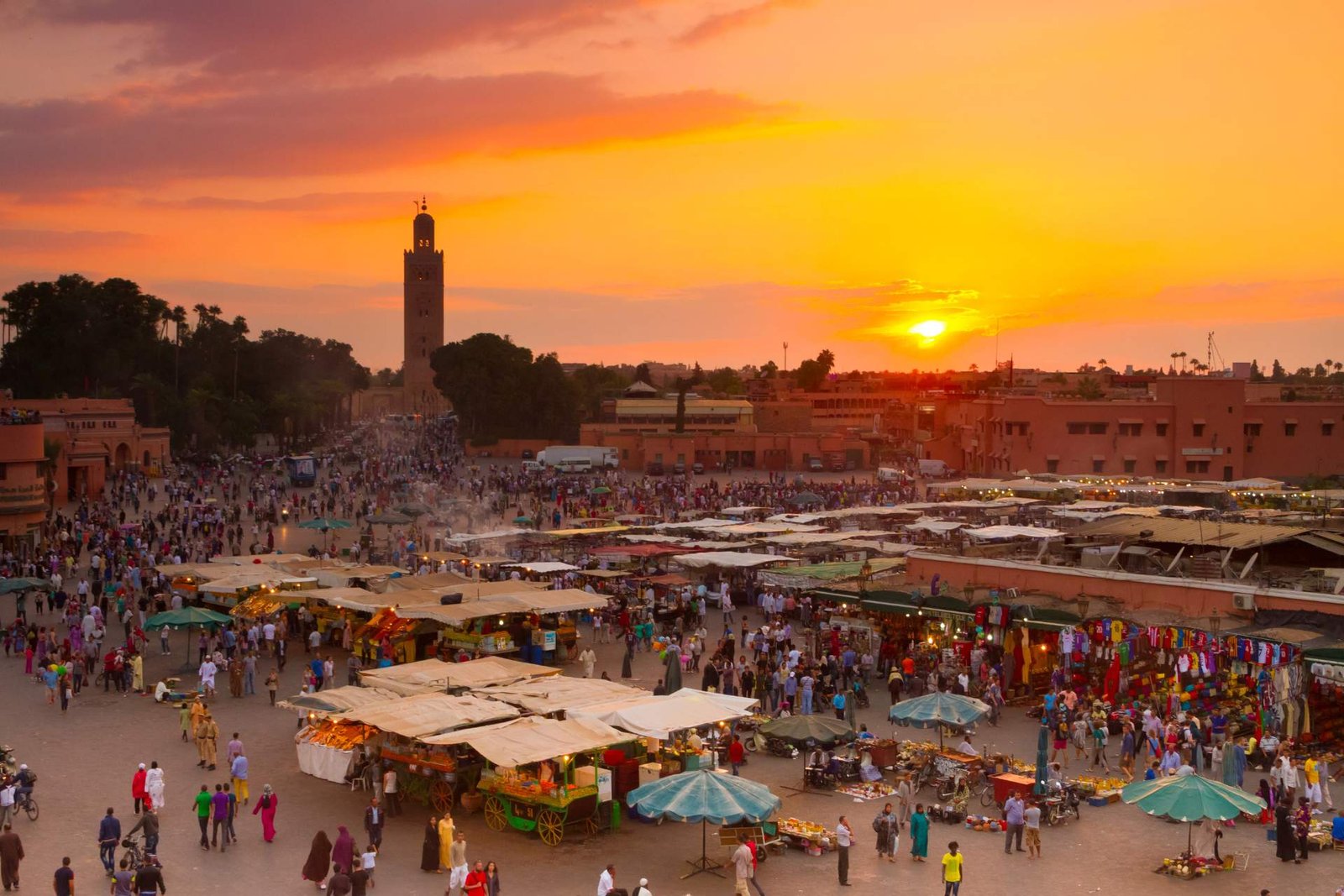
Morocco’s medinas are made for walking, but to truly experience the country’s dazzling diversity, you need to explore beyond the bustling streets. In our guide on How to Get Around Morocco, we walk you through the diverse transportation options that make the country an accessible yet adventurous destination for travelers. From high-speed trains connecting major cities to camel rides across the Sahara, the transport options are as varied as the landscapes. Our comprehensive overview will help you navigate everything with confidence and ease, ensuring your trip is both memorable and stress-free.
Understanding Morocco’s Transportation Landscape
Morocco’s diverse landscapes and rich history have shaped its transportation network into a complex and fascinating system. As we explore the various ways to get around Morocco, it’s essential to understand the underlying factors that influence your travel choices.
Overview of Morocco’s Geography and Major Routes
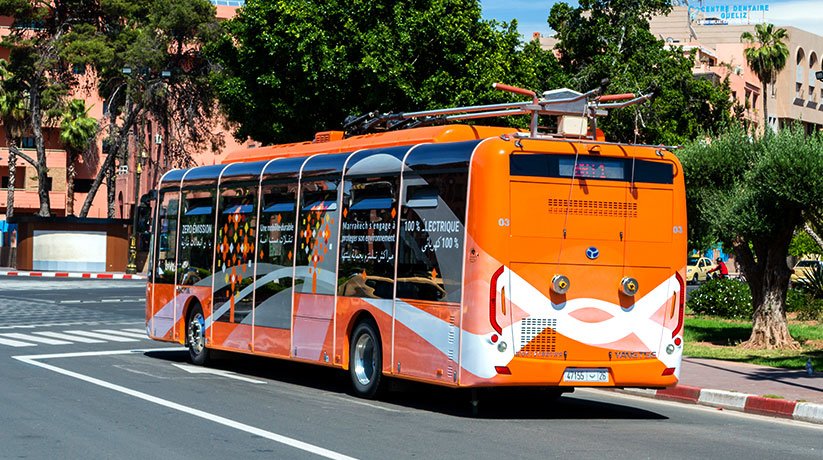
Morocco’s geography is characterized by a mix of coastal cities, mountain ranges, and desert landscapes. The country’s major cities, such as Marrakesh, Fes, and Casablanca, are connected by a network of roads and highways, making it relatively easy to travel between destinations. The Atlas Mountains, for instance, present a scenic route for travelers, while the desert landscapes offer a unique experience for those venturing into the Sahara.
What Makes Getting Around Morocco Unique
Getting around Morocco is a distinctive experience due to the blend of traditional and modern transportation methods. For example, Royal Air Maroc’s domestic flights significantly reduce travel time between major cities and remote areas. Meanwhile, the extensive bus network and train services, such as the high-speed Al Boraq train, provide comfortable and relatively affordable options for travelers. This mix of old and new transportation methods adds to the excitement of exploring Morocco.
Getting to Morocco: Entry Points
Embarking on a Moroccan journey involves selecting the perfect entry point. Whether you’re flying in or arriving by ferry, we’ve got you covered with the essential information to start your trip.
Flying into Morocco
Morocco is accessible through several international airports, with Casablanca’s Mohammed V Airport (CMN) and Marrakech Menara Airport (RAK) being major gateways. Many airlines service these airports, including Delta, American Airlines, Emirates, British Airways, and Air Canada. For those traveling from the USA, finding flights to Morocco is relatively straightforward, with multiple daily flights available.
Taking the Ferry from Spain
An alternative to flying is taking the ferry from Spain, offering a scenic route with varying journey times. The fastest options are from Algeciras and Tarifa to Tangier, taking approximately 60-90 minutes. Depending on the route and type of ferry, the trip can range from 1 hour and 30 minutes to 36 hours. This option provides a unique start to your Moroccan adventure.
Navigating Moroccan Cities by Taxi
Morocco’s vibrant cities are best explored by taxi, offering a unique blend of culture and convenience. Taxis are an integral part of urban life, and understanding how to use them effectively can greatly enhance your travel experience.
Petit Taxis for City Travel
For travel within city limits, petits taxis are the way to go. These taxis are color-coded by city – yellow in Marrakech, red in Casablanca, and blue in Rabat – making them easy to identify. You can flag them down on the street or find them near bus or train stations. They are metered, so you shouldn’t need to haggle over prices.
Grand Taxis for Longer Journeys
For longer journeys, grand taxis are often the best option. These shared taxis operate on fixed routes and leave from designated terminals when full, usually with six passengers. While the vintage Mercedes are being replaced by larger vans, they still offer a unique and authentic way to travel between cities.
Taxi Apps and Alternatives to Uber
While Uber is not available in Morocco, Careem is a popular alternative in major cities like Casablanca, Rabat, and Tangier. Using taxi apps can provide a convenient and hassle-free way to get around.
By understanding the different types of taxis and how to use them, you can navigate Moroccan cities with ease and confidence. Whether you’re using a petit taxi for a short trip or a grand taxi for a longer journey, you’ll be experiencing the local culture firsthand.
How to Get Around Morocco by Train
The Moroccan rail network, operated by ONCF, provides an efficient and relatively affordable way to travel across the country. With its comprehensive coverage of major cities, the train is a convenient option for travelers.
Morocco’s Rail Network (ONCF)
Morocco’s rail network is extensive, linking major cities such as Tangier, Marrakesh, Casablanca, and Rabat. The ONCF operates two main lines that cover significant parts of the country, making it a reliable mode of transportation. The rail network is known for being budget-friendly and relatively comfortable, although punctuality can vary.
The ONCF rail service connects key destinations, including Nador and Oujda in the northeast to Fez and Meknes. This connectivity makes it easier for travelers to plan their itinerary without worrying about long-distance travel.
The High-Speed Al Boraq Train
One of the crown jewels of Morocco’s rail network is the Al Boraq high-speed train, which has revolutionized travel between Tangier and Casablanca. Launched in 2018, it has significantly reduced travel time, making it possible to cover the distance in just over two hours with stops at Kenitra and Rabat. The Al Boraq train travels at top speeds of 320km/h (200mph), offering a world-class rail experience.
The Al Boraq is Africa’s first high-speed train, providing a sleek and modern way to travel. Its introduction has enhanced the overall rail experience in Morocco, making it more appealing to both locals and tourists.
Tips for Buying Train Tickets
When it comes to buying train tickets in Morocco, travelers have several options. Tickets can be purchased online through the ONCF website or at train station ticket offices. It’s advisable to book in advance, especially during peak travel seasons, to secure the best fares. Understanding the different classes of service and amenities available can also help in choosing the right train options for your journey.
For a smooth travel experience, consider purchasing tickets online or through authorized third-party services. Being aware of the ticket prices and any available discounts can help in planning your travel budget effectively.
Exploring Morocco by Bus
Morocco’s bus network is a treasure trove of travel experiences, offering a wallet-friendly way to explore the country. With various bus companies operating across Morocco, travelers have a range of options to suit their needs and budgets.
Major Bus Companies: CTM and Supratours
The two major national bus companies, CTM and Supratours, stand out for their reliability and comfort. CTM covers most of Morocco, with designated stops that aren’t necessarily in the central bus station. Supratours, owned by ONCF, offers through tickets on buses whose departure times are coordinated with the arrival of trains, making it easy to plan your journey along a specific route. Both companies offer amenities like air conditioning, scheduled departures, and online booking capabilities, ensuring a comfortable and hassle-free travel experience.
Local and “Market” Buses
For travelers venturing into rural Morocco, local “market buses” provide access to remote villages. While they may not always be safe or comfortable, they offer an authentic experience and can be hailed in every village they pass through. These buses are ideal for those seeking a more immersive experience, but they require flexibility and a sense of adventure.
Renting a Car in Morocco
For travelers seeking adventure and flexibility, renting a car is an ideal way to explore Morocco. With a wide range of vehicles available, from compact Fiats to 4WDs, you can navigate through the Atlas Mountains and desert roads with ease.
Pros and Cons of Self-Driving
Self-driving in Morocco offers the freedom to create your own itinerary and explore hidden gems. However, it also comes with challenges such as navigating unfamiliar roads and dealing with local traffic customs. Weighing these pros and cons is essential to ensure a smooth and enjoyable journey.
On the positive side, having a rental car allows you to travel at your own pace and enjoy scenic routes that might not be accessible by public transport. On the other hand, driving in Moroccan cities can be daunting due to bumper-to-bumper traffic and a general disregard for road regulations.
Road Conditions and Driving Tips
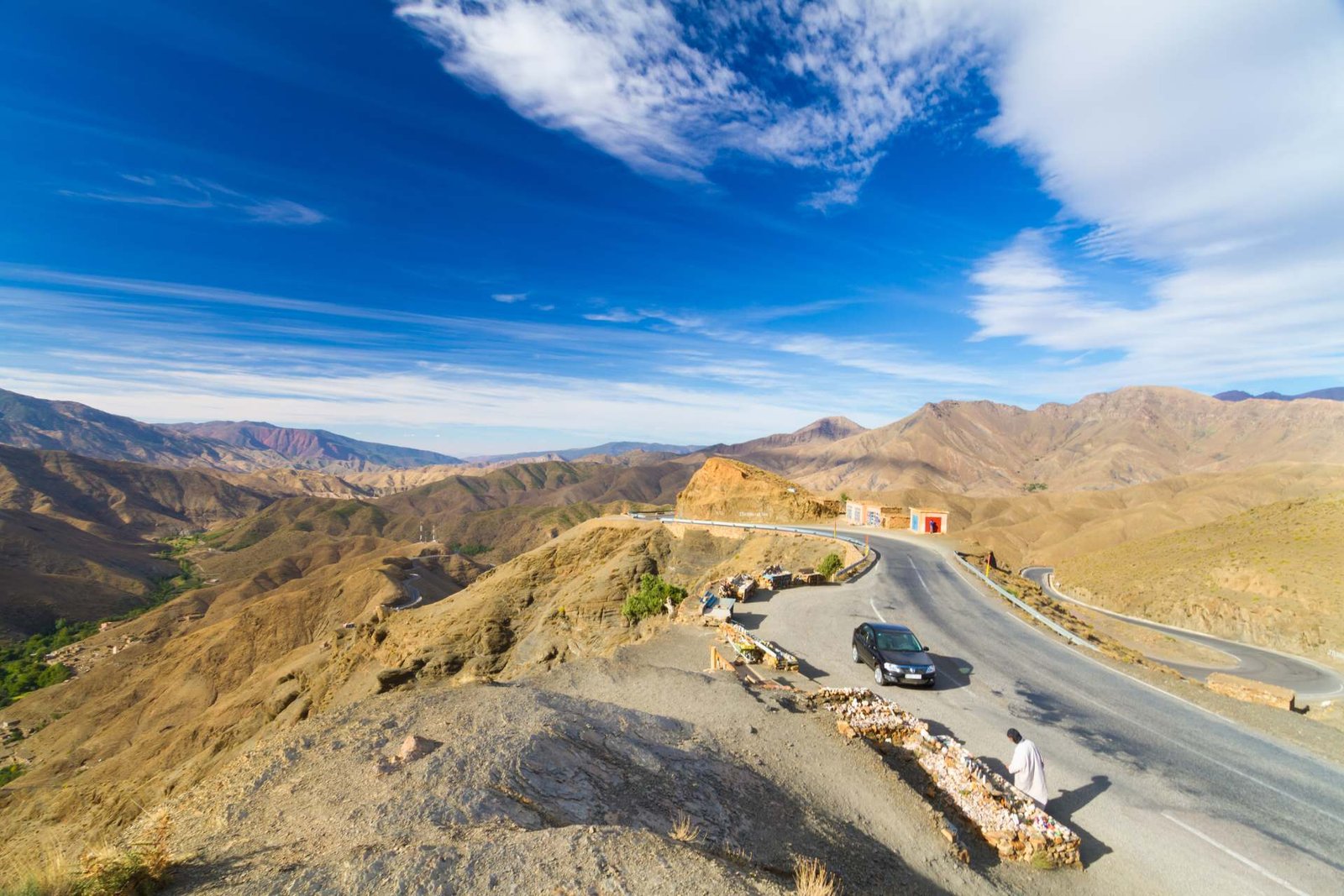
Morocco’s road conditions vary significantly, from modern highways connecting major cities to rugged mountain passes and desert tracks. Understanding these conditions is crucial for safe self-driving. When driving, be prepared for hairpin bends in the mountains and avoid driving after dark.
Additionally, practical tips such as knowing local traffic customs, navigating challenges, and handling potential roadside emergencies will help prepare you for your self-driving adventure.
Hiring a Driver vs. Self-Driving
For those who prefer not to drive, hiring a private driver offers a compelling alternative. This option combines the flexibility of a private vehicle with local expertise and relief from driving stress. It’s a great way to enjoy the journey while someone else handles the driving.
Alternative Transportation Options
Morocco’s varied landscape demands a range of transportation options, catering to different traveler preferences. From the snow-capped Atlas Mountains to the vast Sahara Desert, the country’s diverse geography requires innovative and flexible travel solutions.
Domestic Flights for Long Distances
For those short on time or preferring to avoid lengthy road trips, domestic flights offer a convenient alternative. Royal Air Maroc operates flights between major cities, significantly reducing travel time. For instance, flying from Marrakesh to Errachidia takes about an hour, compared to eight hours by road.
Motorcycle Adventures
Adventure seekers can explore Morocco’s scenic landscapes on two whels. Renting a motorcycle allows travelers to experience the thrill of navigating through remote villages and winding mountain roads. Morocco’s rugged terrain makes it an ideal destination for motorcycle enthusiasts
Accessibility Considerations
Travelers with mobility issues may face challenges in Morocco due to uneven medina streets and limited accessible facilities. However, with careful planning, a car and driver can be rented, and accommodations can be chosen to suit individual needs. Operators like Morocco Accessible Travel provide valuable resources for accessible travel.
Planning Your Morocco Transportation Itinerary
Planning a trip to Morocco requires more than just choosing destinations; it demands a well-thought-out transportation strategy. With various options available, from traditional petit taxis to modern trains, we help you navigate the best ways to get around.
Getting Around Major Cities: Casablanca, Fes, and Marrakech
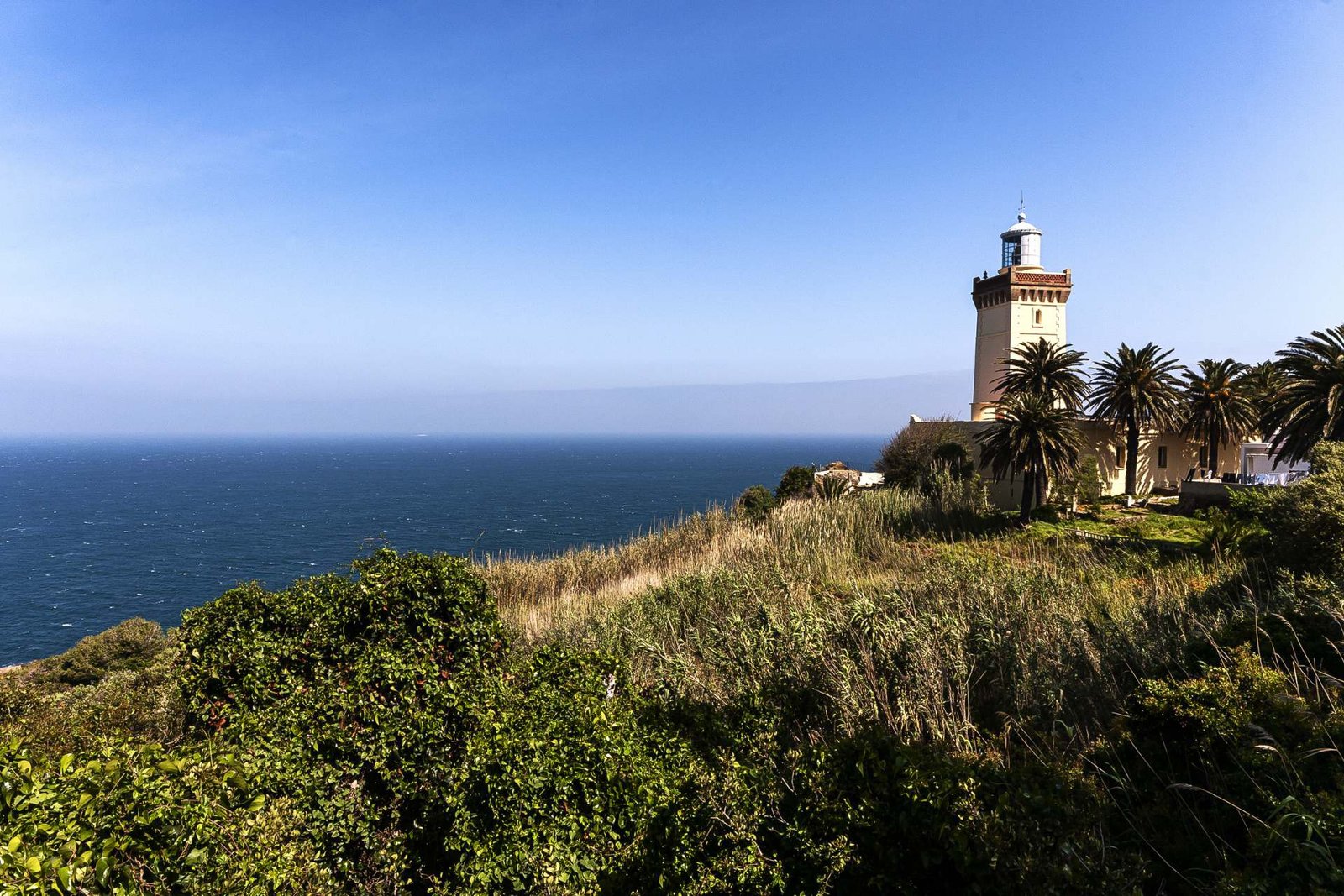
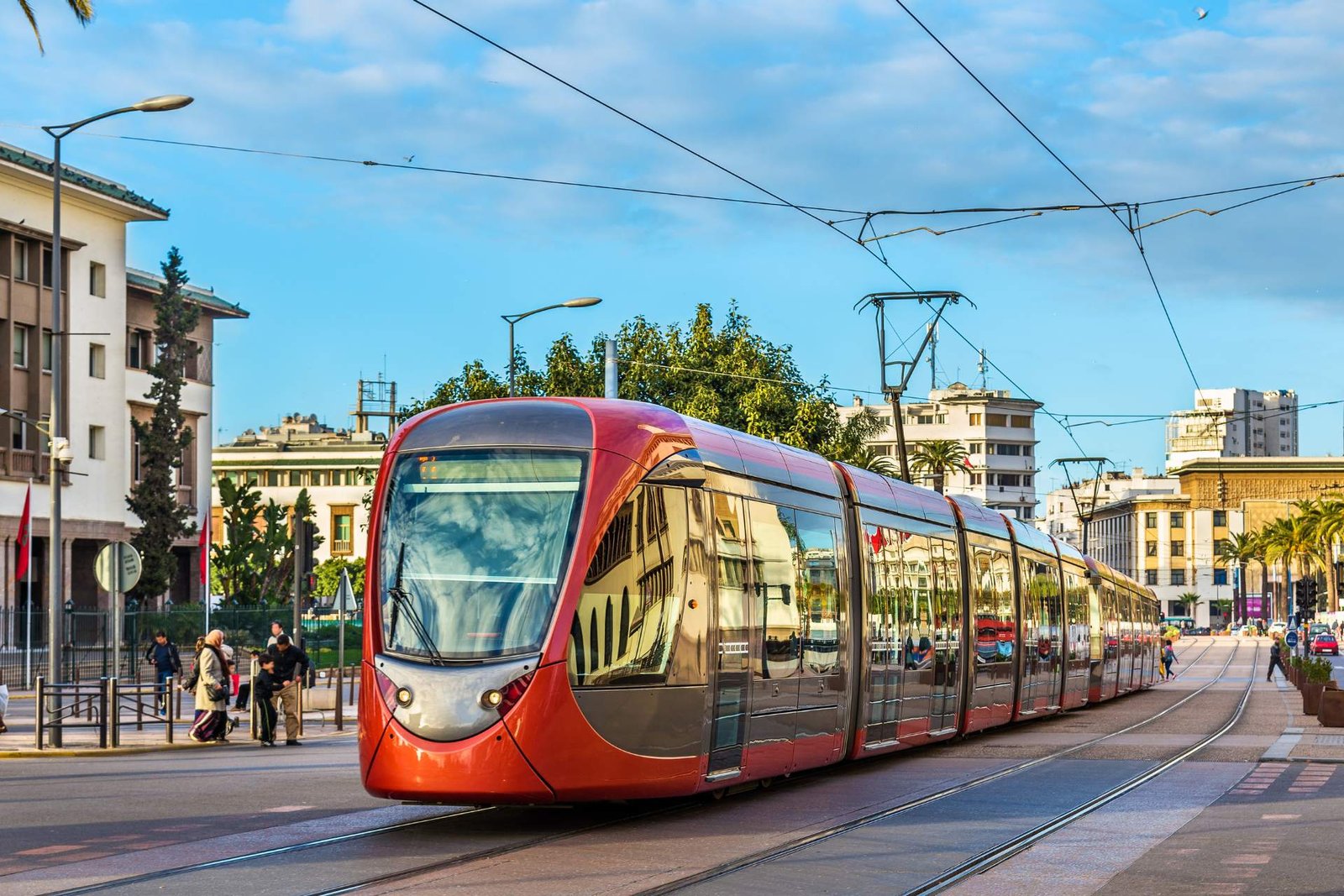
Major cities in Morocco offer a range of transportation options. In Casablanca, Fes, and Marrakech, you can easily move around using petit taxis or modern tram systems. These cities are well-connected, making it simple to explore their rich cultural heritage.
Desert and Mountain Transportation
For adventures in the Atlas Mountains or desert excursions, specialized transportation is available. Guided tours often include transportation, providing a seamless experience. Whether you’re glamping in the Sahara or exploring mountain villages, we recommend booking in advance to ensure availability.
Sample Transportation Itineraries
Sample itineraries can help you plan your trip. For instance, an 8-night journey might include 1 night in Casablanca, 2 in Fes, 1 glamping in the Sahara, 1 in the Atlas Mountains, and 3 in Marrakech. This allows you to experience the diversity of Morocco, from urban cities to natural landscapes.
Essential Travel Tips for Getting Around Morocco
As you plan your trip to Morocco, understanding the essentials of getting around can make all the difference. With its unique blend of modern and traditional transportation methods, navigating this beautiful country requires some insider knowledge.
Best Times to Travel
The best time to visit Morocco is during the spring (March to May) and fall (September to November), avoiding the peak tourist season and extreme weather conditions. It’s also wise to plan around Ramadan, as it can affect transportation schedules and availability. Traveling during these optimal times ensures a more comfortable and reliable journey.
Language and Communication Tips
While Morocco has two official languages, Arabic and Berber, French is also widely spoken due to the country’s history. Understanding basic phrases in Arabic or French can significantly enhance your transportation experiences. For instance, knowing how to say “hello” (marhaba), “thank you” (shukraan), and “how much?” (bekhalas? in Moroccan Arabic) can go a long way in making your interactions smoother.
Money and Payment Considerations
The Moroccan Dirham (MAD) is the local currency, and many establishments, including some transportation services, prefer or only accept cash. It’s advisable to withdraw money from an ATM as soon as possible. Being prepared with local currency and understanding tipping customs will help you navigate different transport options with ease.
Conclusion
From grand taxis to the high-speed Al Boraq train, we’ve explored the various modes of transportation that make getting around Morocco an adventure in itself. Understanding the unique characteristics of each transportation mode allows you to create a personalized travel strategy that balances authenticity, comfort, and efficiency.
As you embark on your Moroccan journey, remember that the journey itself is an essential part of experiencing this fascinating country’s rich culture and breathtaking landscapes. The flexibility to combine different transportation options throughout your trip will enhance your experience of Morocco’s remarkable diversity.
We encourage you to approach Moroccan transportation with an open mind and sense of adventure, embracing both the challenges and delights of getting around this captivating country. By understanding your transportation options and preparing accordingly, you’re now ready to experience Morocco’s magic in all its diverse glory.


