
Why this matters: Marrakech sits near the Atlas and Essaouira — a natural base for mountain or coast plans. Casablanca offers the Hassan II Mosque; Rabat is calmer between Marrakech and Fes. We also preview how spring and fall ease the heat, and how to tweak plans in summer or winter. Throughout, we highlight local customs — mint tea rituals, market etiquette — to make each cultural experience warm and worry-free. Read on and visualize a tailored route that matches your interests, time, and travel style.
How to choose the best arrival city in Morocco as a first‑timer
Choosing where to arrive shapes the tone of your first hours in Morocco. We decode the key drivers — flight options, onward rail, and the feel you want when you step off the plane.
Practical checks: CMN often has the most direct U.S. flights, making it a logical entry if you value fewer connections. High‑speed rail between Tangier, Casablanca, Rabat, and Kenitra shortens transfers. Fes and Meknes sit about 45 minutes apart by train; Rabat to Marrakech is roughly four hours.
Style matters too. Tangier suits Spain‑first itineraries — ferries take about an hour from Tarifa or Algeciras. Fes rewards heritage lovers who want to start inside a living medina. We help you weigh noise, crowds, and comfort so day one matches your pace.
Think sequence: land where flights fit your schedule and finish where it’s easiest to connect home. If you crave an urban launch with mountain or desert add‑ons, explore our curated Marrakech options like the Marrakech travel packages. Stay flexible — small tweaks in timing can turn a good trip into an unforgettable one.
Best City to Fly Into for Your Morocco Trip
Pick an arrival that matches your energy—whether you want bustling souks, nonstop flights, ferry pairings from Spain, or a heritage immersion. We map priorities in seconds so you save travel time and start exploring sooner.
Marrakech (RAK)
Marrakech delivers medina immersion, rooftop dinners, and easy day trips to the High Atlas or Essaouira with minimal transit. Ideal when you want immediate sensory culture and curated local guide options.
Casablanca (CMN)
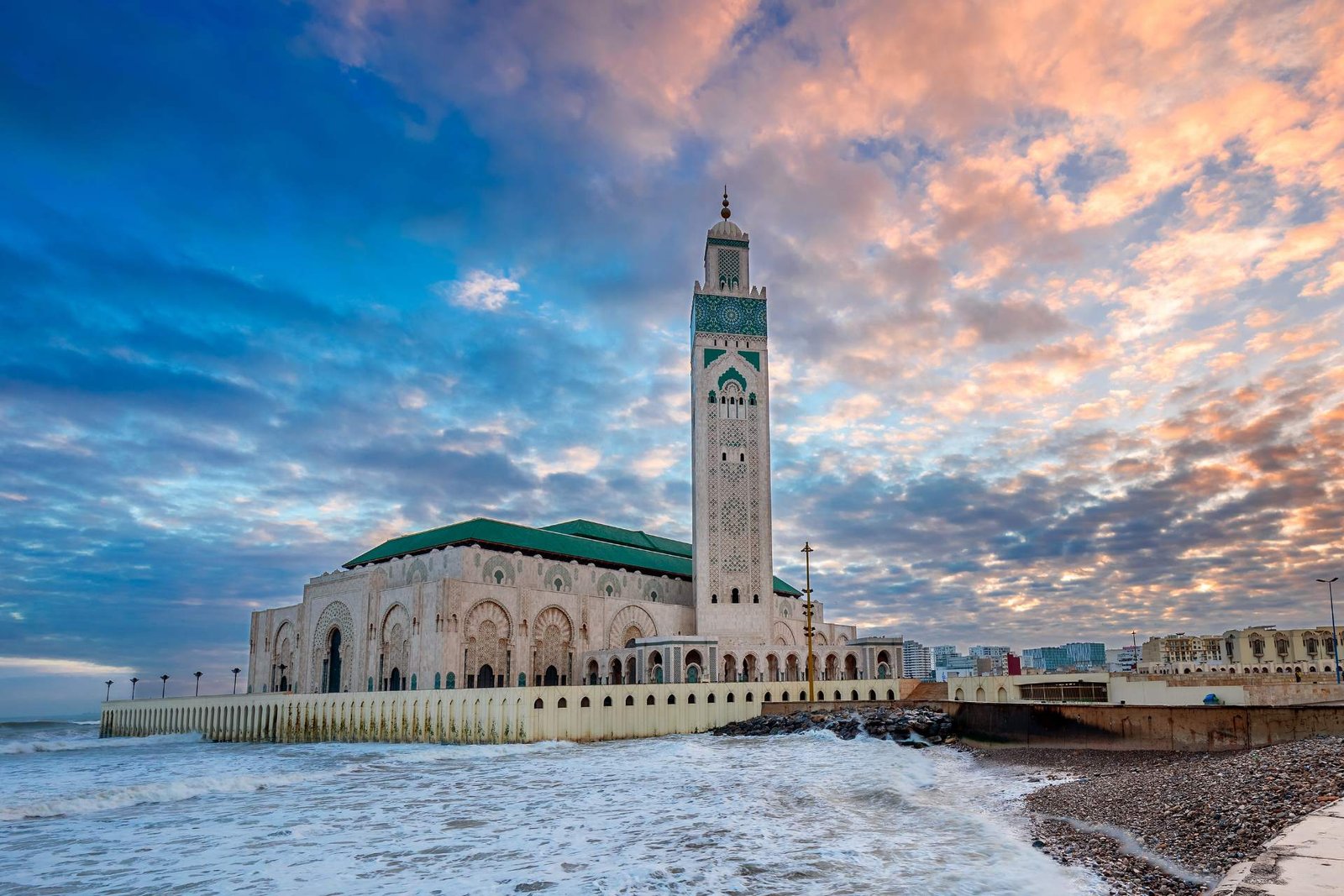
Casablanca has the frequent nonstop service and fast rail links toward Rabat, Fes, or Marrakech. Its star sight—the Hassan II Mosque—makes a compact sampler. Consider our Casablanca travel packages for smooth connections.
Tangier (TNG)
Tangier pairs well with Tarifa or Algeciras ferries (about one hour). Use it as a gateway to Chefchaouen and Rif trails when you prefer an Iberian entry and scenic overland routes.
Fes (FEZ)
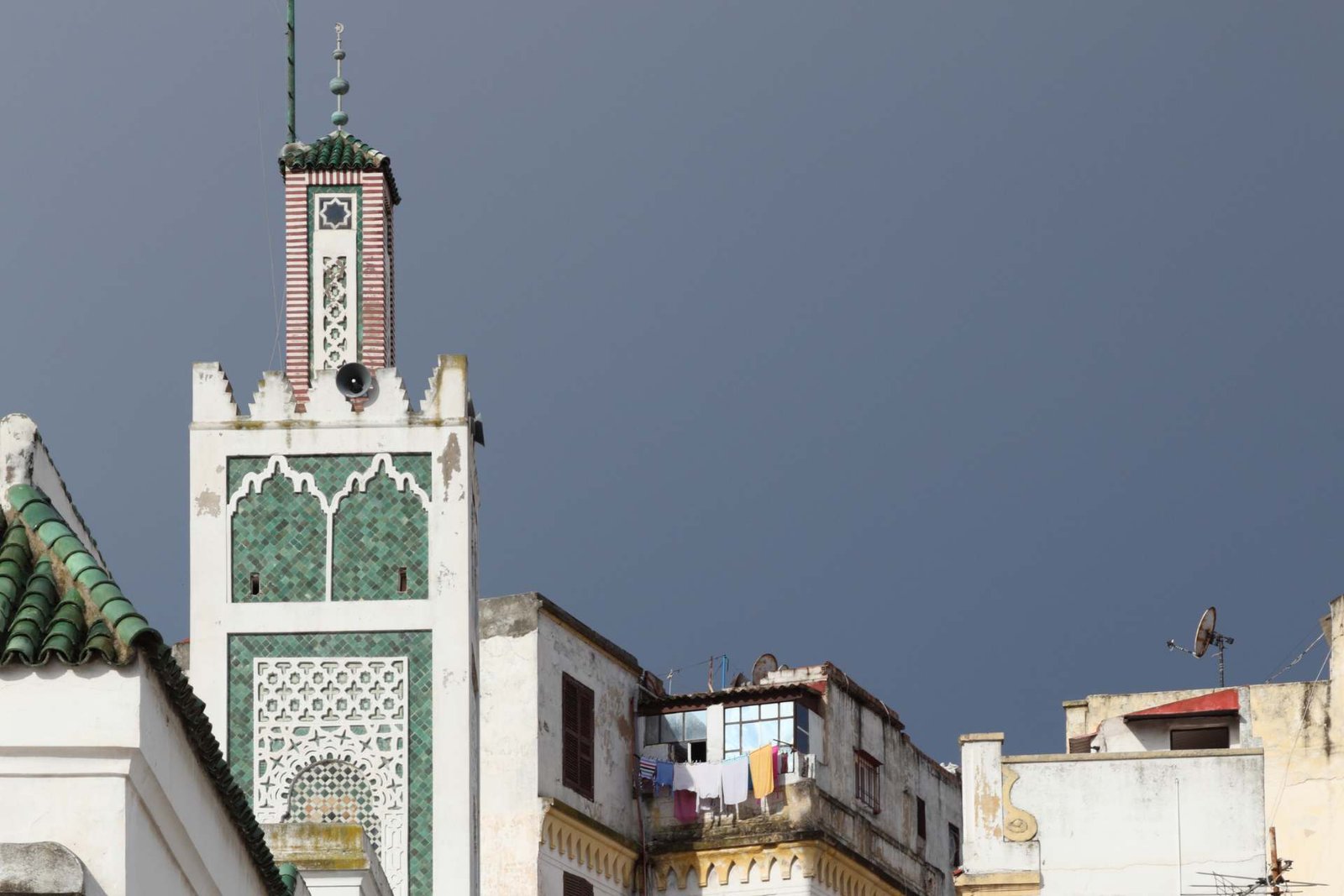
Fes anchors scholarly history—al‑Qarawiyyin, tanneries, and artisan workshops. We advise a guided arrival to navigate medina lanes and unlock authentic craft encounters without losing time.
Flying into Marrakech (RAK)
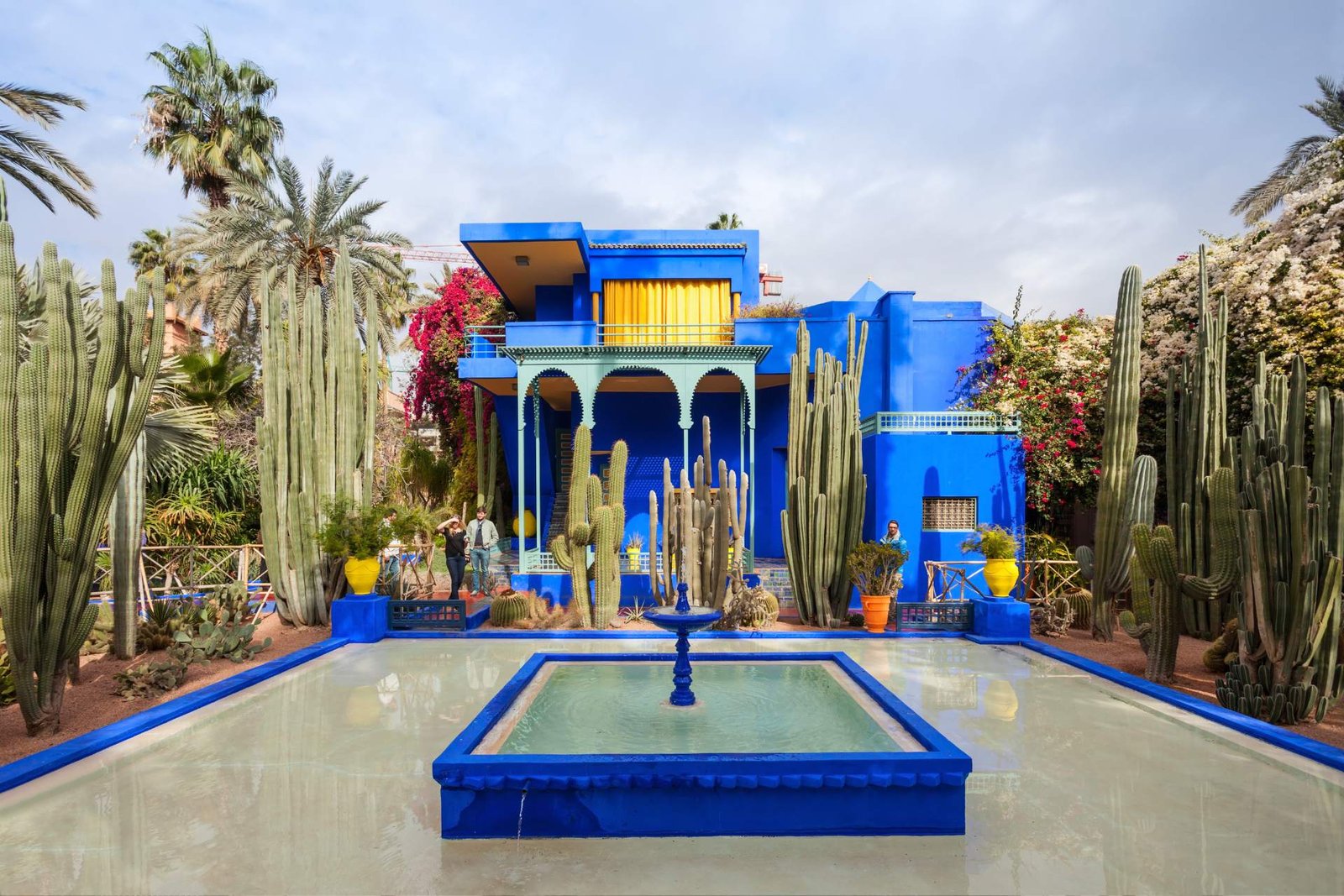
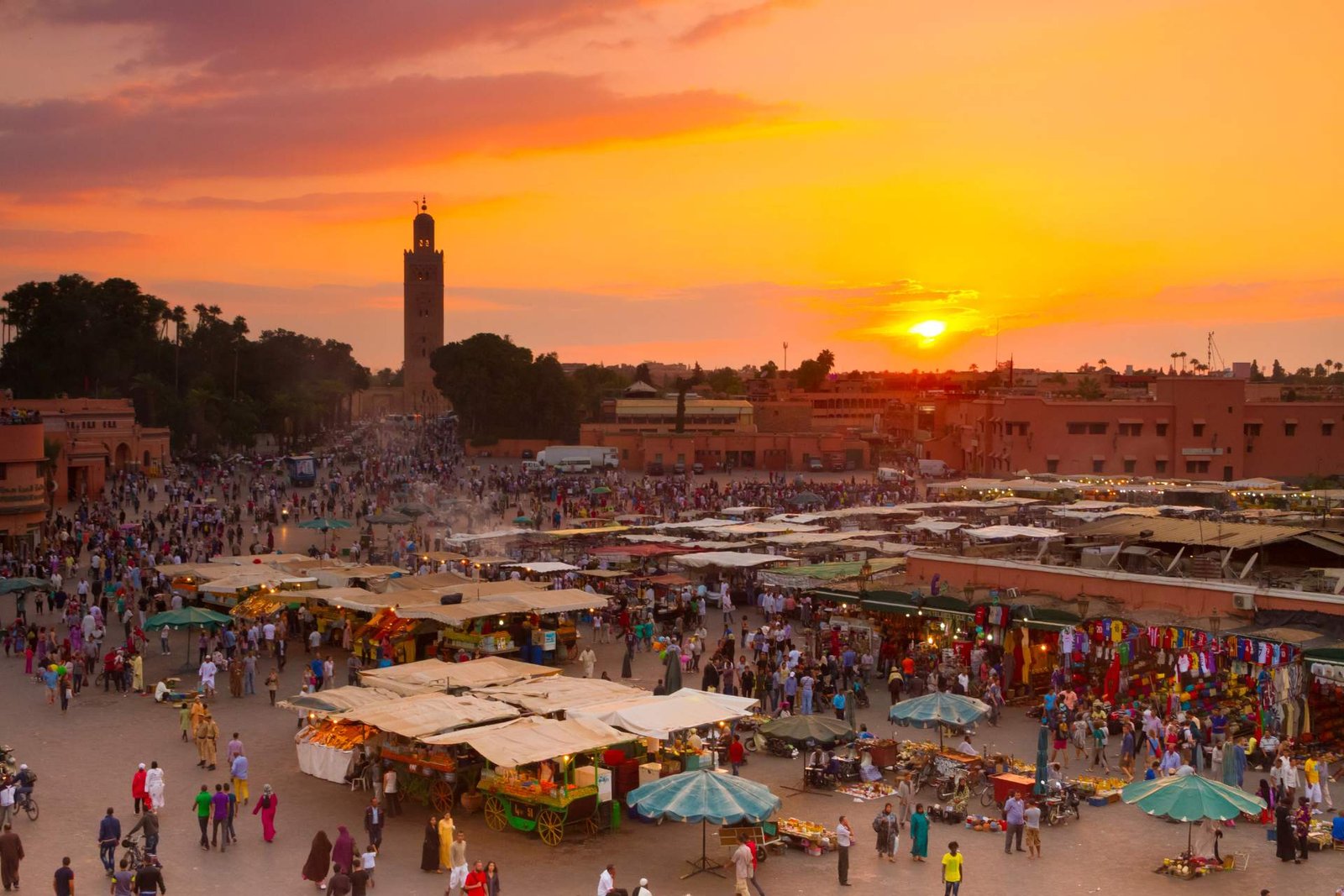
Your arrival often feels cinematic: spice-laced air, lantern-lit lanes, and the square’s evening theater. The city hums with storytellers at Jemaa el-Fnaa and calm corners like the Majorelle Gardens offer contrast. We recommend a gentle first pace — a rooftop dinner and a cup of mint tea at sunset to reset after travel.
Why pick Marrakech
Browse markets with intention: wander the souks, barter kindly, and favor cooperatives for fair-pay crafts. Must-sees include Koutoubia views, Bahia Palace, and the Yves Saint Laurent gardens. Marrakech is a compact hub among many cities that opens quick access to mountain routes and cultural experiences.
Day trips, treks, and practical notes
Short excursions reach the High Atlas and the Toubkal trailheads. Essaouira sits about three hours away for a coastal day escape. In summer, aim for altitude or the coast; winter nights can dip into single digits — pack layers.
Transport options range from private transfers and guided day tour departures to rail links via Casablanca. Our tip: save the desert for later — linger here and travel onward refreshed, like Marrakech should be enjoyed.
Flying into Casablanca (CMN)
Arriving at CMN lets you trade long layovers for same‑day rail onward travel across the country. Direct flights from New York, Washington, and Miami make CMN the most practical entry for many U.S. travelers. When CMN makes sense — choose it if you want nonstop schedules and quick links. High‑speed and conventional trains run to Marrakech, Rabat, and Fes so you can be in another city within hours.
Sight highlight — the Hassan II Mosque sits on the Atlantic and ranks among the world’s largest. It is open to non‑Muslim visitors on guided tours, and we recommend booking a slot early to avoid crowds. Plan your time carefully: allow hours for customs, a seaside mosque visit, a relaxed lunch, and luggage pickup before boarding a southbound train. If schedules clash, a private transfer gets you to Marrakech without stress.
Casablanca’s modern boulevards and coastal air give a business‑forward energy. Stay a night if you arrive late, travel with family, or prefer a calm morning before you continue your loop across the country.
Flying into Tangier (TNG)
A short ferry ride from southern Spain drops you into Tangier’s lively harbor — an instant bridge between continents. Step ashore and you’ll feel the Atlantic breeze, coastal viewpoints, and an energetic medina that’s easy to explore on foot.
Fast access from Spain and onward rail
Ferries from Tarifa and Algeciras reach Tangier in about an hour. That quick crossing makes Tangier a natural way into the country for travelers who want a scenic, efficient arrival. Tangier also sits on the high‑speed rail axis, linking quickly with Rabat and Casablanca for tidy north‑to‑south routes.
Chefchaouen and short itineraries
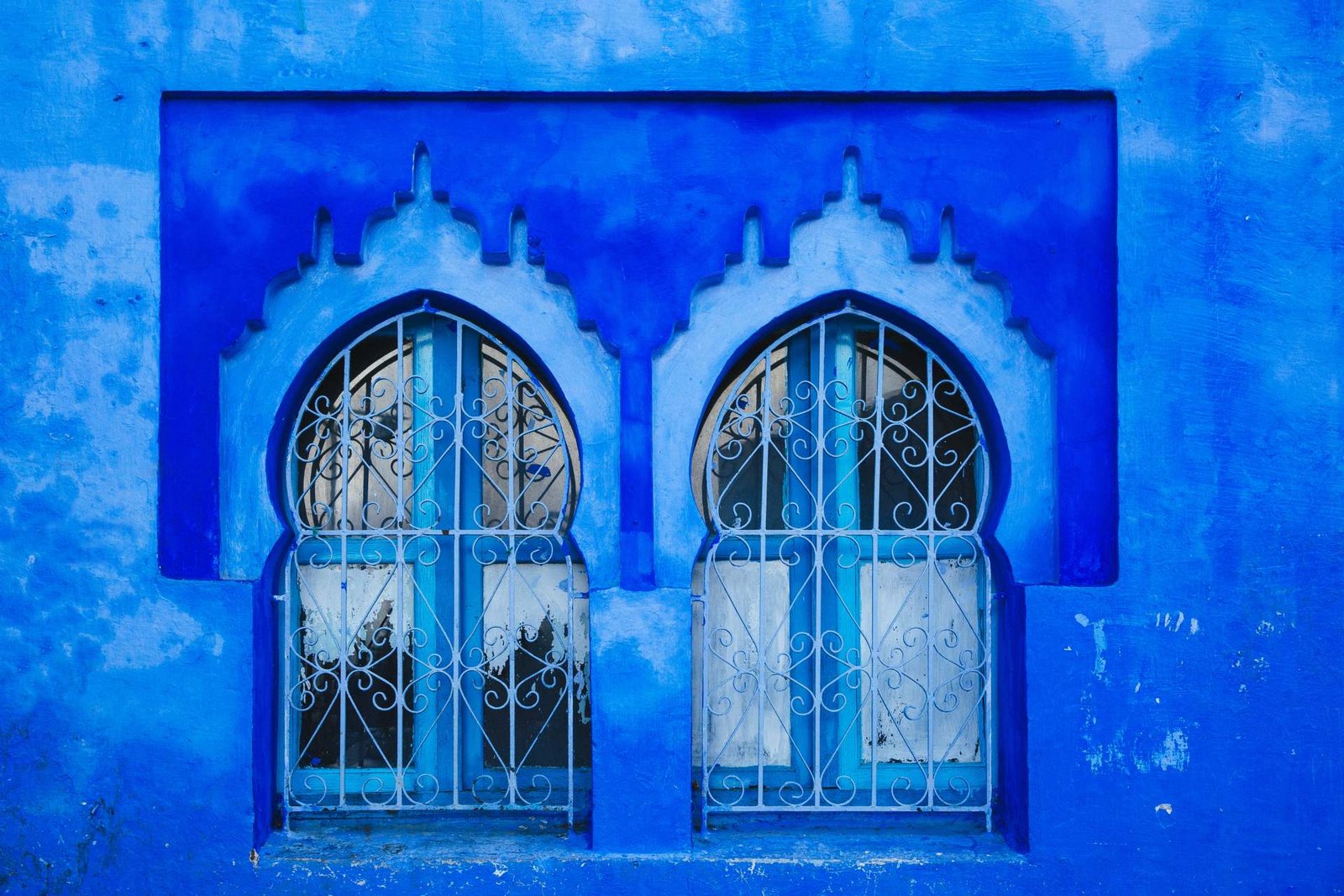
Chefchaouen’s blue alleys and hillside views are a short overland journey. We suggest a 1‑ or 2‑day plan: Tangier medina and coastal sights, then a slow wander in Chefchaouen with time for Rif hikes.
Bring layers for Strait breezes and comfy shoes for uphill lanes. Book local guides for photography hours and scenic Rif detours, and sync ferry times with train departures to avoid long waits. Tangier is welcoming and navigable — a graceful launch point for cities like Fes or southbound circuits without backtracking.
Flying into Fes (FEZ)
Fes opens like a living museum—laneways, madrasa courtyards, and centuries of craft around every turn. The medina is mostly pedestrian, so pace your arrival and breathe in the scent of spices and leather.
Why this works for heritage lovers
Al‑Qarawiyyin, the Chouara tannery terraces, and traditional pottery workshops anchor Fes’s cultural identity. We recommend a local guide on your first walk to explain techniques and point out quieter corners. A short guided tour saves time and deepens context.
Easy add‑ons and practical notes
Meknes is about 45 minutes by train—one of the nearby cities worth a day trip—and Volubilis offers evocative Roman mosaics in the countryside. Plan a balanced day: morning in calm quarters, midday craft demos, late‑day rooftop tea above the markets.
We suggest private transfers or quick trains for comfort. Sample pastilla and tagines, browse verified co‑ops, and build in riad breaks. Spring and fall offer ideal time for exploring; travel with clear meet points and porter help when you arrive.
Rabat (RBA) and who it suits
Settle into Rabat’s softer rhythm — museums, seaside ramparts, and small medina streets — before you press on. This city makes a tidy break between Marrakech and Fes, with rail runs of roughly four hours from Marrakech and about 3.5 hours from Fes. What to do first: wander the Oudaya Kasbah for cliffside views and a mint tea pause above the Atlantic. Add a compact loop: Hassan Tower, the Mausoleum of Mohammed V, then the medina’s relaxed alleyways.
We recommend Rabat for families and anyone needing gentle recovery after a long flight. Central, walkable neighborhoods simplify arrivals and departures — ideal when time is limited and onward trains await.
Pair a refined coastal duo by combining Rabat with a Casablanca mosque tour. Photo hours shine early in kasbah alleys and late along the seaside ramparts. Dine slowly: pastries, fresh seafood, and terrace cafés define the city’s easy pace. Why it fits: Rabat balances modern capital stature with coastal charm. It is a calm place in the country that keeps north‑south routes efficient and pleasantly unhurried.
Match your interests to your arrival city
Match the mood you crave with the airport you choose—mountain air, dune silence, or ocean breeze. Below we map clear ways to pair arrival hubs with the landscapes and activities that matter most. Short stays and smart routing keep travel calm and rewarding.
Mountains and trekking: High Atlas base via Marrakech
Trekkers thrive landing near Marrakech. It gives quick access to the High Atlas and Toubkal trailheads. Use Marrakech as a base for day hikes or multi-day treks—then rest in a riad before you move on.
Desert dreams
Merzouga delivers towering dunes and luxury camps; Zagora offers a gentler, closer Sahara gateway. Note long drives—often 8+ hours from Marrakech—so plan an overnight stop or a private driver for comfort.
Coastal escapes
Essaouira is an easy coastal day or overnight from Marrakech. For Atlantic seaside days and fresh seafood, prioritize Casablanca or Rabat. Summer favors the coast and higher elevations—perfect for cooling off.
Blue cities
Photographers and slow wanderers should land near Tangier or Fes to reach Chefchaouen. The Rif viewpoints and blue alleys reward a relaxed pace and local guides for best light and routes.
Plan practically: combine mountains first, then desert—or start with coast breezes before medina immersion. Aim for two-night stays to reduce drive fatigue. Choose private transfers for scenic routes and trains for fast jumps between major cities. Add cooking classes, co‑op visits, or light trekking to deepen the experience without overloading your schedule.
Best time to visit and how season affects your choice
Pick months that match your pace. The best time for most travelers is clear: mild weather, fewer extremes, and easier movement between places make days feel fuller and calmer.
Spring and fall sweet spots (April–May, September–October)
Spring and autumn are the best time visit window. Days are warm and skies are mostly clear. Gardens bloom, medinas are pleasant, and sightseeing feels comfortable.
Summer strategy
Summer calls for smart routing. Head for Atlantic breezes in Essaouira or seek altitude in the High Atlas. If you visit the dunes, plan sunrise camel rides and sunset walks—rest through hot midday hours and hydrate well.
Winter notes
Winter brings contrast. Nights in Marrakech can drop to single digits Celsius. The High Atlas often holds snow—stunning views and a different kind of trek. Pack warm layers and expect clear, crisp mornings.
Practical tip: Sync season with arrival hub—Tangier and Rabat for soft coastal light, Marrakech for gardens in bloom, Fes for crisp medina mornings. Build contingency into your plan and reserve key experiences early so your travel days stay flexible and calm.
Trains, transfers, and getting around after you land
After you land, the quickest way between northern hubs is often the high‑speed rail that stitches coastal stations together. It makes onward travel smooth and lets you relax sooner.
High‑speed rail advantages
Africa’s first high‑speed line runs along the Tangier–Kenitra–Rabat–Casablanca corridor. Trains are fast, comfortable, and a reliable choice when you value predictability and speed.
Key city hops and timings
Expect short hops like Fes–Meknes in about 45 minutes and longer links such as Marrakech–Rabat taking roughly four hours. Factor this time into your first afternoon plans so you arrive at your riad refreshed.
Private transfers, self‑drive, or guided tours?
Private drivers give door‑to‑door ease in car‑free medina zones and help with porters and meeting points at riads. Self‑drive suits those who want freedom; drive cautiously on mountain passes.
Guided day tours and local guide services add context and cut navigation stress in dense medina lanes. For desert approaches—like Merzouga—expect long drives of 8+ hours; add an overnight stop.
Tickets sell fast on popular trains—reserve ahead and travel light to move easily through platforms. Ferries from Spain reach Tangier in about an hour; align crossings with schedules.
Our recommendation: use trains between major hubs, hire a driver for rural loops, and book guided day trips in complex cities. Always leave buffer minutes between connections—this way your days stay calm and flexible.
Seven‑day beginner itineraries by arrival city
Seven days let us craft a focused arc—deep enough to feel a place, light enough to keep moving. Below are three curated 7‑day plans keyed to common arrival points, with realistic drive and rail notes and a gentle pace so you enjoy every moment.
Land Marrakech
- Days 1–2: Settle into the medina—guided walks, rooftop sunsets, and a hammam on day two.
- Day 3: High Atlas day trip; moderate hiking and village lunches.
- Days 4–5: Essaouira coastal interlude—seafood lunch and relaxed lanes.
- Days 6–7: Return for cooking class, market time, and one flexible morning.
Land Casablanca
- Day 1: Arrive and tour the Hassan II Mosque mid‑morning to avoid crowds.
- Day 2: Catch a rail link—choose Fes for crafts and medina depth or Marrakech for culture‑first energy.
- Keep two‑ or three‑night bases after the rail move to reduce packing and travel fatigue.
Land Tangier
- Day 1: Ferry arrival and a calm harbor walk; early dinner and mint tea.
- Days 2–3: Transfer to Chefchaouen—blue alleys, guided photo walks, and light Rif hikes.
- Days 4–7: Head to Fes for craft workshops, medina tours, and a free day to follow curiosity.
- Practical notes: We avoid a rushed Sahara attempt in a tight week. Pre‑book trains and drivers, plan early mornings for major sights, and leave one flexible day for unexpected delights. Small food moments—fresh juice stands, rooftop tea, and an Essaouira seafood lunch—lift the days and make travel feel effortless.
Ten‑to‑fourteen‑day routes for first‑timers
In ten to fourteen days we can weave coastal stops, imperial towns, and a true desert overnight into a single loop. These routes balance sights, travel time, and restful mornings so every day feels purposeful rather than rushed.
Classic loop: Casablanca → Rabat → Fes/Meknes/Volubilis → Marrakech → Atlas
Start in Casablanca and pause in Rabat for a calm coastal morning. Move inland to Fes and use it as a base for Meknes and Volubilis — craft workshops and mosaics deserve time.
Finish the sequence in Marrakech, then climb into the High Atlas for village walks and mountain vistas. Mix trains for city hops and private drivers where roads narrow.
Desert highlight: Marrakech → High Atlas → Aït Benhaddou → Merzouga dunes
Cross Tizi n’Tichka, pass Ouarzazate and the ksar at Aït Benhaddou, then descend into the Erg Chebbi dunes near Merzouga.
Pacing matters: schedule two nights along the desert corridor. Book one luxury camp night under the stars — a sunset camel trek, dawn ridge views, and tea around the fire are unforgettable.
Extras and logistics: add Essaouira after Marrakech or another Atlas night for slow village hikes. Use trains for major city legs and drivers for rugged stretches. We recommend booking key tours and one flexible day for photography at golden hour.
Wrap-up: end your journey with a calm transfer and fly home from Casablanca or Marrakech depending on your final base — a tidy finish to a carefully paced trip.
Budgeting time and distances
Long drives often surprise first‑timers—distances look smaller on a map than they feel on winding roads. We set clear expectations so travel days stay pleasant and purposeful.
Marrakech toward the Sahara edge
Driving from Marrakech toward Merzouga or Zagora often takes over eight hours. That stretch is real—roads are improving, but mountain passes and narrow valleys slow average speeds. Our tip: break the journey with a night in Ouarzazate or the Dades area. One extra night turns a hard haul into a scenic highlight.
When to add a night vs. push through
Choose an added night when fatigue, daylight, or season makes driving risky. Plan daylight drives on mountain routes and allow extra time for photo stops and tea breaks.
Trains between major hubs offer consistent time windows and simplify planning when you prefer predictability. Aim to reach riads by late afternoon for smooth medina check‑ins.
Practical checklist:
- Cap daily driving at a comfortable limit—an easy day feels different than a full‑on push.
- Fold in meal and rest stops—roadside tajines and mint tea reset energy and mood.
- Factor season: summer heat, winter light, and festivals change what’s feasible.
When plans crowd, we recommend cutting a region, adding a night, or choosing a linear flight plan. That small flexibility keeps the way you travel graceful and memorable across the country.
Culture, comfort, and safety basics for new visitors
We guide you through small, high-impact habits that shape calm travel days and richer encounters. Welcome gestures and clear boundaries make local culture accessible and kind.
Mint tea hospitality, markets etiquette, and bartering tips
Mint tea is a hallmark of welcome — accept a cup and savor the ritual. A warm sip opens conversation and shows respect.
In markets, haggle with a smile, keep small bills ready, and prefer cooperatives that pay artisans fairly. Friendly bargaining feels like a shared moment, not a contest.
Dressing and behavior: cities vs. rural areas
Urban style is relaxed; rural communities appreciate modest dress and quiet movement. Cover shoulders and knees when entering sacred sites or small villages.
Watch your step in narrow lanes; a polite decline works wonders. Learn a few local words — they delight hosts and ease street interactions.
Women travelers: tours, cooperatives, and mindful choices
We recommend women‑run tours and cooperative visits for confident, culturally rich experiences. Plan clear evening arrangements and travel with vetted guides when solo.
Safety notes: petty theft can occur in crowds; tourism brigades patrol main hubs and help maintain calm. Skip animal photo ops, and always ask before photographing people.
Enjoyment tip: seek licensed venues for alcohol and show respect when you enter. Meet customs with curiosity — your trip will deepen in unexpected, meaningful ways.
Ramadan timing: what changes and what doesn’t
Ramadan reshapes daily rhythms—calm mornings give way to lively nights and communal meals. We find Morocco relatively easy during this period; tourist areas keep many services running, though schedules shift.
Restaurant hours, evening buzz, and respectful travel
Daytime can feel quieter. Some sites close earlier and restaurants may pause lunch service in non‑tourist areas. Still, many places near riads and main squares serve guests as usual.
After sunset the streets fill with warmth. Families gather, lanterns glow, and cups of tea and sweets mark the end of the fast. This is a beautiful cultural experience to witness with patience and curiosity.
Respectful behavior matters. Avoid eating, drinking, smoking, or chewing gum in public daylight. Dress modestly and use gentle language around prayer and family moments.
Practical tweaks: front‑load busy visits, book dinner reservations after dusk, and allow extra transfer time near sunset as people head home. Tourist hubs remain open—plan reservations and expect small timing shifts. For seasonal planning tips see our best time to travel.
Photography etiquette: be sensitive around prayer and private family scenes. A local guide adds insight, deepens context, and smooths any cultural questions.
Pack snacks for private use if needed, bring patience, and embrace the slower daytime pace—this city and its people turn the night into a warm, communal event that can enrich your travel memories.
Entry, flights, and practicals for U.S. travelers
Before you book, let’s confirm the practical entry rules and quickest flight links for U.S. travelers. We keep this short so arrival day feels calm and predictable.
Visa, passport, and timing essentials
U.S. passport holders may visit morocco visa‑free for up to 90 days. Ensure your passport has at least six months’ validity beyond your arrival date. Pack a printed copy of your reservation and a local contact if asked at immigration.
Flight routes and onward connections
Direct flights from New York, Washington D.C., and Miami often serve Casablanca (CMN) via Royal Air Maroc and other carriers. From CMN you can take high‑speed trains or short domestic flights to Marrakech, Fes, or Tangier. That makes a single long haul followed by a tidy hop an efficient way to start.
Practical checklist and safety notes
Reserve early: book spring and fall slots and holiday windows well in advance—popular tours and train seats fill fast. Use rail apps and official carrier sites to align arrival time with connections.
ATMs work at major airports; buy an eSIM or local SIM on arrival for maps and bookings. We recommend travel insurance that covers medical care, delays, and desert or mountain activities.
Morocco is welcoming and generally safe for tourists, including solo travelers and women. Use standard awareness in crowded places, secure valuables, and stick to licensed transport after dark.
Packing and health tips
Bring layers, sun protection, and modest clothing for rural visits. A reusable filtered bottle helps with hydration and cuts plastic use. No routine vaccines are required, but check health guidance before you leave and manage sun exposure in long days.
Confidence note: With these logistics in place—passport, reservations, and simple precautions—your morocco travel begins smoothly. We’re here to help you plan each step so your stay across this vibrant country feels effortless and memorable.
Conclusion
Choose an arrival that matches mood and logistics—each gateway unlocks different landscapes and rhythms. Marrakech offers lively medina life and nearby mountains; Casablanca gives direct international links and quick rail. Tangier opens Spain crossings and blue‑hill detours, while Fes rewards heritage lovers with craft lanes and calm courtyards.
, Spring and fall are the clearest time windows; summer favors coast and altitude, winter brings crisp nights and Atlas snow. Pace matters—two‑ or three‑night stays, golden‑hour walks, and a trusted local guide deepen every day.
Honor the desert with careful planning: long drives, sunrise dunes, and a well‑run camp. We’re here to craft bespoke routes, vetted stays, and seamless transfers so the first step feels just right. Let’s plan the next chapter together.


